Best Museums in San Diego for 2026
Fourteen buildings, one park, and a coastline's worth of collections later, here is the honest, unranked case for every San Diego museum worth your afternoon.
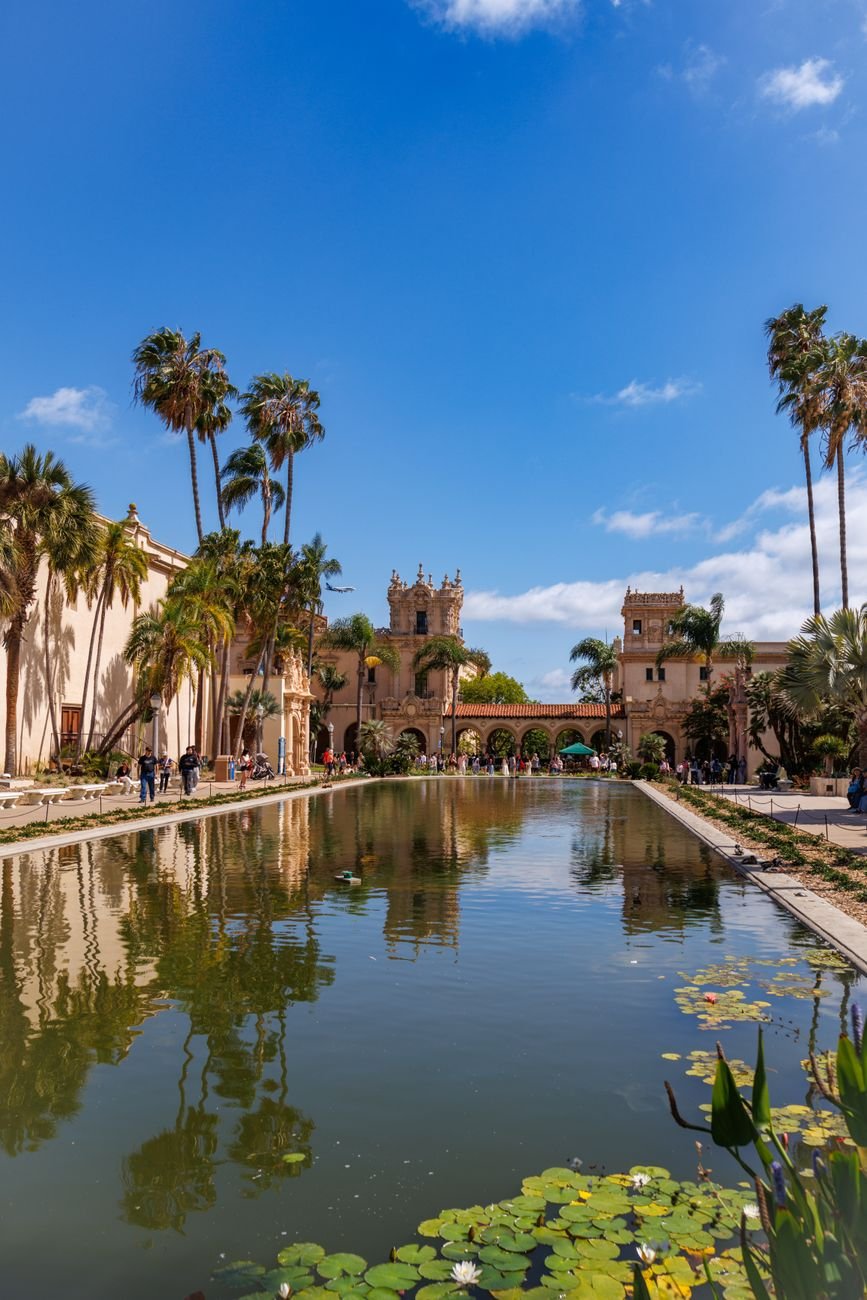
The marine layer hasn't burned off yet when the first groundskeeper opens the gate at the Prado, and for about twenty minutes Balboa Park belongs only to the peacocks that wander over from the zoo's old aviary and whoever got up early enough to smell the eucalyptus before the tour buses arrive. This is where any honest accounting of the best museums in San Diego has to start, because more of them sit inside this single park than in most entire American downtowns, arranged along a Spanish Colonial promenade that a 1915 World's Fair built to be temporary and the city simply refused to tear down.
What gets lost in the postcard version of this place is how much is actually happening under those tiled roofs. San Diego built a biotech and defense economy on the same coastline everyone assumes is just for surfing, and its museums reflect that same doubled identity. Fine art sits a few galleries from naval aviation, and folk craft keeps company with natural history not far beyond that. Down the walkway, a comic book archive shares space with a planetarium, and none of it reads as an afterthought to the beach. Here is the full, unranked case for the city's museum scene, organized the way most people actually experience it: Balboa Park first, then everywhere else worth the drive.
Balboa Park Anchors the Best Museums in San Diego
Balboa Park is roughly the size of a small town, and its museum row runs along a pedestrian spine called El Prado. The Spreckels Organ Pavilion and the botanical building fill in some of the gaps between galleries, and the San Diego Zoo entrance sits at the far end of the same corridor. You can walk the whole stretch in fifteen minutes if you're just passing through, or spend three full days here and still not see everything. Treat it less like a single stop and more like its own downtown, because that's functionally what it is.
San Diego Museum of Art
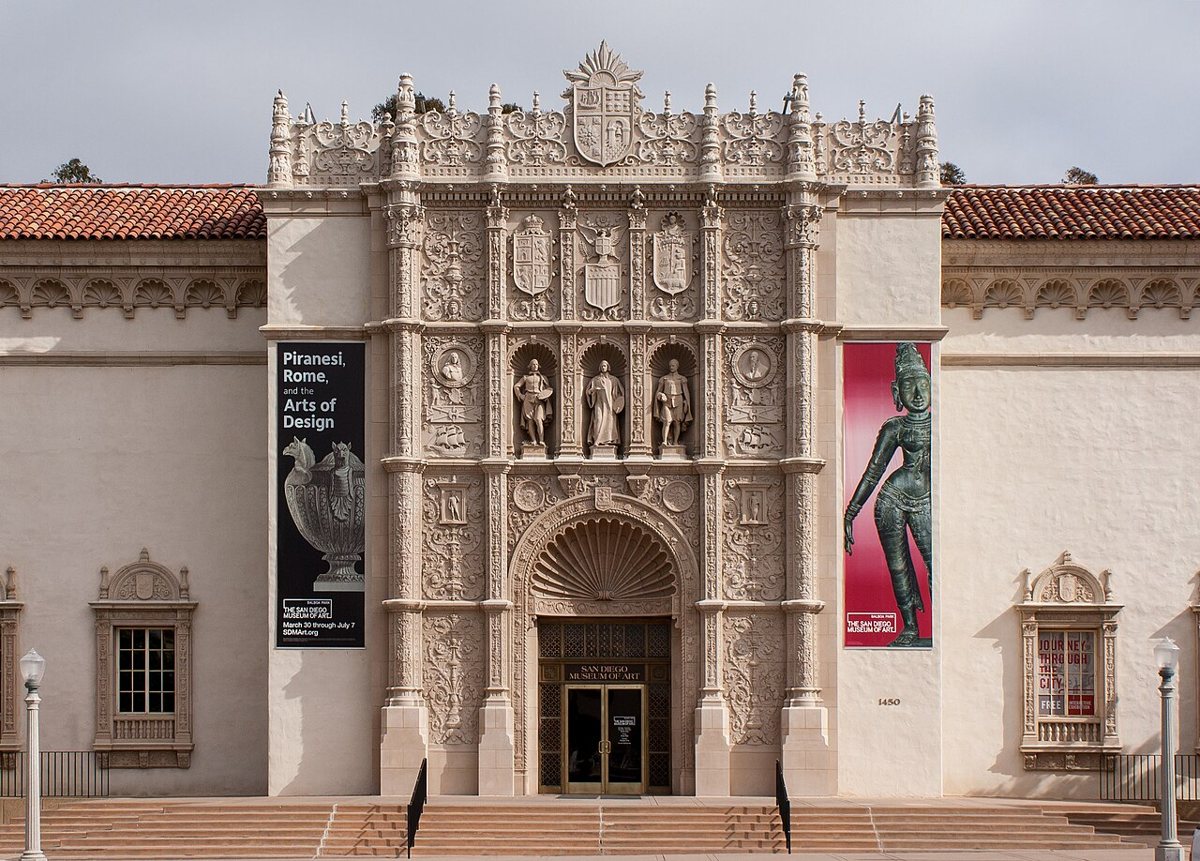
The San Diego Museum of Art holds the city's broadest fine-art collection, spanning European old masters through American modernism with particularly deep holdings in Spanish and Italian painting, plus a rotating slate of touring exhibitions that tend to be the ones people drive up from the border to see. It's worth visiting for the permanent collection alone, but the real move is checking what's traveling through before you go, since SDMA's special exhibitions have included major single-artist retrospectives that don't hit every city. Budget at least ninety minutes if you want to see both the permanent galleries and whatever special show is up, and save a few minutes for the small sculpture garden off the side entrance, which is almost always empty and makes a good place to sit before tackling the rest of the park. It sits right on the Plaza de Panama, the visual center of Balboa Park.

A few steps away, the Timken Museum of Art is the park's quiet counterpoint to SDMA's scale. It's a small, single-building collection built around European Old Masters and Russian icons, with a solid run of American paintings too, and it has no permanent admission charge, which alone makes it worth ducking into between bigger stops. The collection is tight enough to see in full in under an hour, and because almost nobody budgets time for it, you'll frequently have entire rooms to yourself. It sits directly on the Plaza de Panama as well, close enough to SDMA that skipping it would mean walking right past the door.
San Diego Natural History Museum
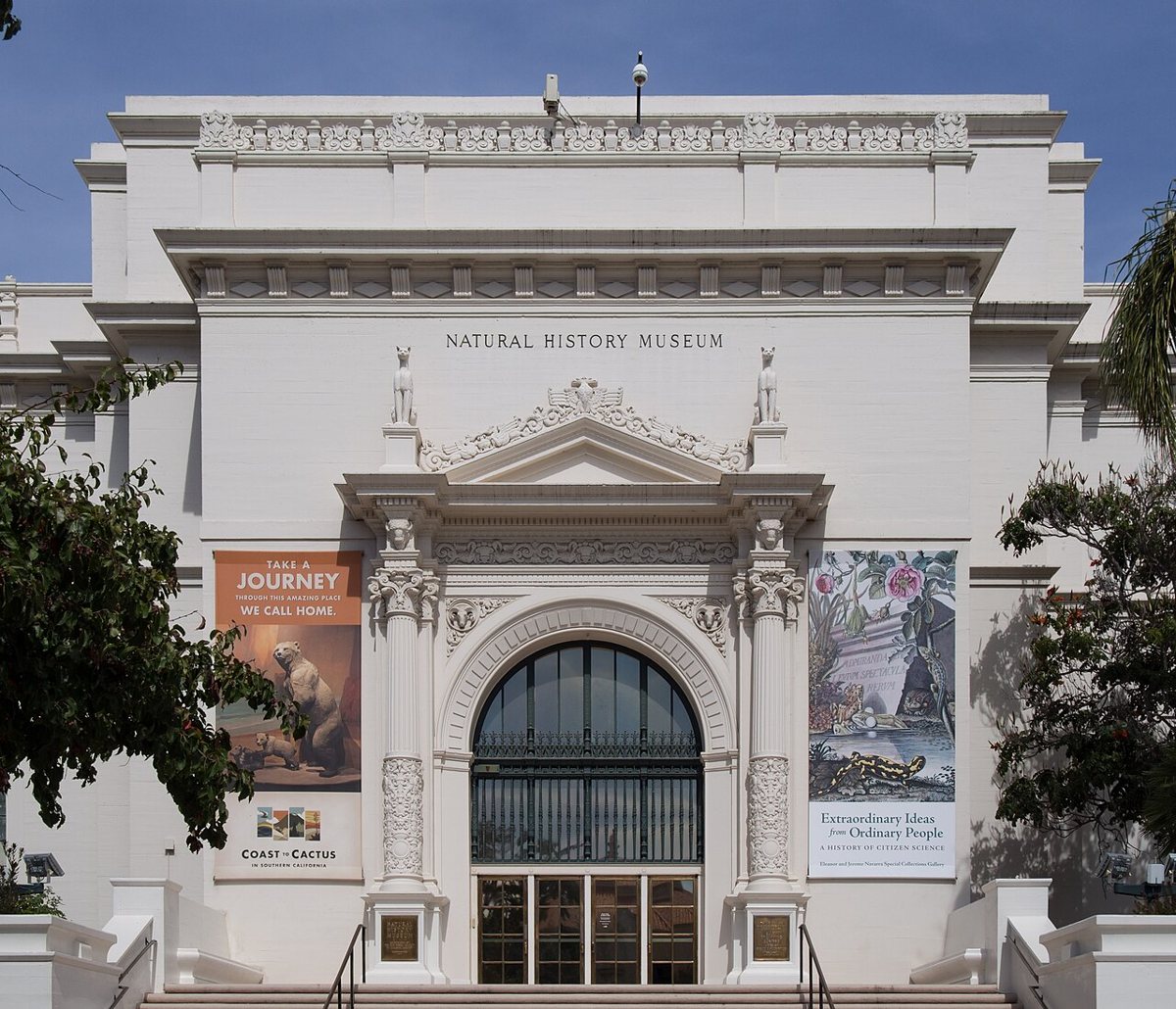
Locals call it theNAT, and it has anchored the north end of the Prado for more than a century, built around Southern California and Baja California natural history and fossils, alongside a research collection that actually gets used by working scientists rather than just displayed behind glass. The dinosaur and fossil galleries draw the families, but the strongest reason to go is the museum's regional focus. Nowhere else in the city explains the geology and ecology behind this stretch of coastline and desert, mountain range and border included. It's worth checking the giant-screen theater schedule when you arrive, since a good nature film can anchor an otherwise light museum day. It's at the far northern end of El Prado, an easy walk from the Prado's central plaza.

San Diego Air and Space Museum
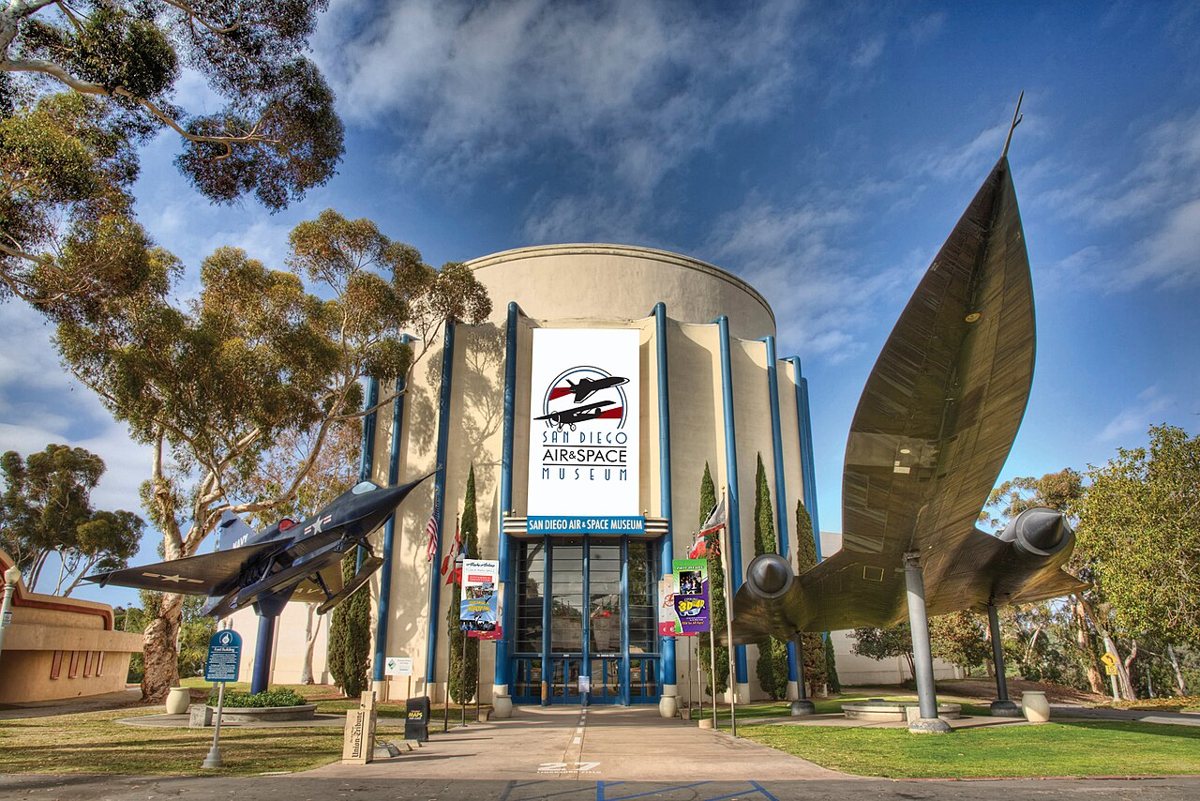
Housed in the circular Ford Building near the park's southern edge, the San Diego Air and Space Museum traces flight history from early aviation through the space program, with a strong emphasis on San Diego's own outsized role in aerospace manufacturing. This is a city that built the Spirit of St. Louis and still runs a serious defense-and-aerospace economy, and the museum treats that as a point of civic pride rather than a footnote. Full-scale replicas and restored aircraft fill the circular hall, and the collection includes genuine spaceflight artifacts alongside the planes. The restoration hangar work is sometimes visible to visitors too, so it's worth asking at the desk whether any areas are open that day. It's a short walk south of the main Prado cluster, near the park's Pan American Plaza.

San Diego Automotive Museum
Right across the plaza from Air and Space, the San Diego Automotive Museum rotates its collection between classic and custom builds, with race cars from the same West Coast scene mixed in, tracing a hot-rod history that connects directly to San Diego's own postwar drag-racing and customizing culture. It's a smaller, more specialized stop than its neighbors, which makes it a good pace-breaker if you've been doing dense museum-going all day. Don't assume it's just a static car showroom; ask about the current themed exhibit, since the museum regularly swaps in loaned vehicles around a specific era or builder. It sits in Pan American Plaza, an easy pairing with the Air and Space Museum next door.
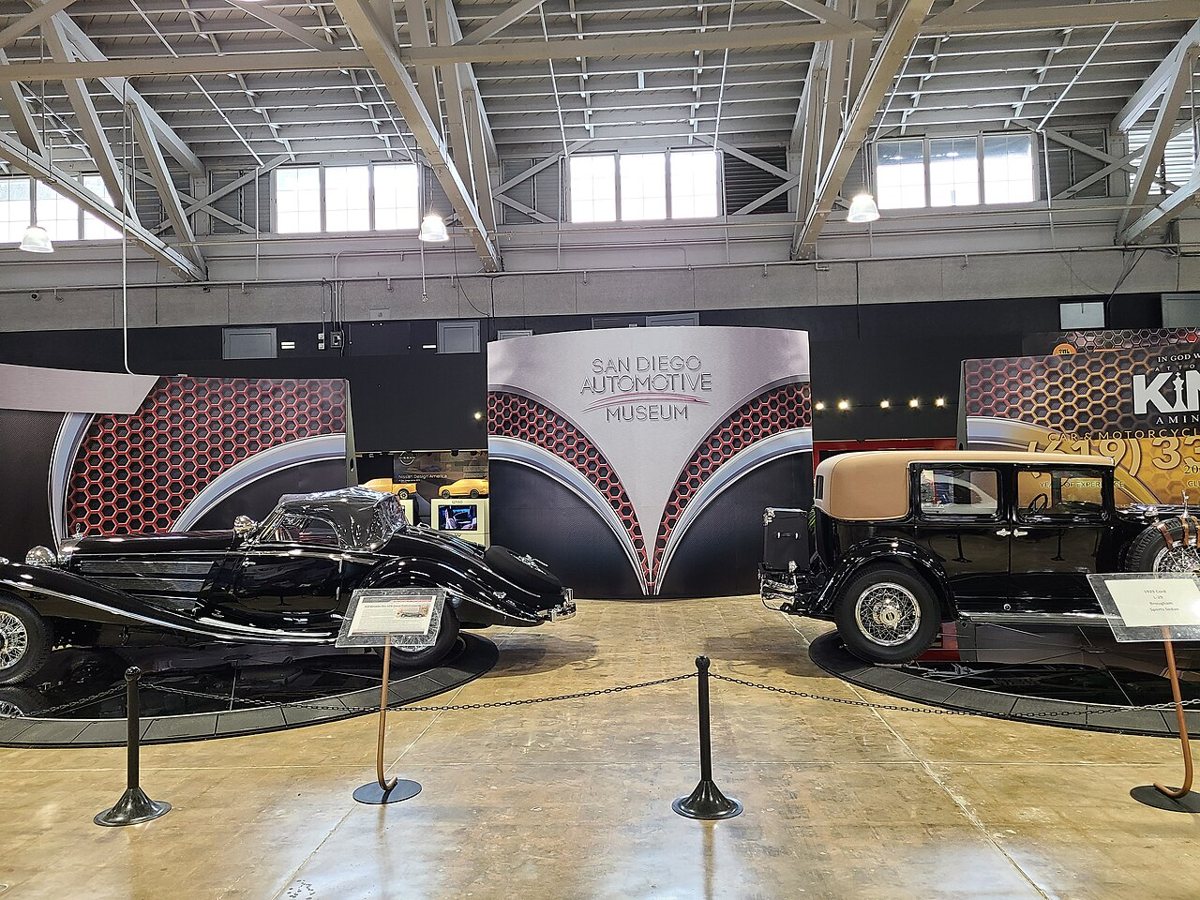

Back at Air and Space, the building itself is worth a slow lap before you even read a placard. The Ford Building's circular footprint was built for a 1935 exposition and later repurposed for the aerospace collection, so the architecture and the subject matter share a kind of streamlined, forward-looking logic that most museum buildings don't bother with. Plan to spend closer to two hours here if the traveling exhibit is a deep one; the permanent collection alone can be walked in half that time, but the special shows tend to be dense.
Fleet Science Center
The Fleet Science Center is the park's hands-on science museum, built around interactive exhibits and an IMAX dome theater that was one of the first of its kind when it opened. It skews toward families and kids but holds up for adults too, particularly the giant-screen films and any traveling exhibit on the current rotation. Check the IMAX showtimes as soon as you arrive rather than at the end of your visit, since the good slots fill up on weekends and a film can anchor the middle of a long museum day nicely. It's centrally located right on the Prado, a landmark building visible from across the park, and its plaza fountain out front is a dependable spot to regroup with a group that's splitting up to see different museums.
Museum of Us
Housed in the California Building, the one with the ornate tower and dome you can see from almost anywhere in the park, the Museum of Us focuses on anthropology and world cultures, with an ongoing effort to reckon honestly with how some of its collections were originally acquired and displayed. That self-examination is part of what makes it worth visiting now; it's a museum actively rethinking its own colonial-era origins rather than pretending that history away. The building itself, with its Spanish Colonial tilework and the freestanding California Tower, is arguably the single most photographed structure in the park. When the tower tours are running, they give one of the only high vantage points over the entire Prado corridor, which is worth timing your visit around. It's at the very entrance to the park from the Cabrillo Bridge side.

Mingei International Museum
Mingei takes its name from the Japanese term for art of the people, and the museum pulls folk art and craft from cultures worldwide, with a design focus that runs through textiles and ceramics alongside functional objects that most fine-art museums would never hang. It reopened in a fully renovated building a few years back, and the space itself, with its open central staircase and skylit galleries, is worth the visit on top of the collection. The gift shop here stands out from the rest of the park's shops if you're hunting for something that isn't a magnet or a keychain. It's at the House of Charm building near the park's central plaza.
Museum of Photographic Arts
MOPA is one of the few museums in the country built entirely around photography and the moving image, with a permanent collection spanning documentary and fine-art photography alongside photojournalistic work, plus rotating exhibitions on top. It's a smaller footprint than SDMA or theNAT, which makes it easy to fit into a Prado walk without derailing the rest of the day. The exhibition schedule here turns over faster than most of the park's other museums, so it rewards repeat visits over the course of a year rather than a single trip. It sits on the Plaza de Panama alongside the Museum of Art and the Timken.
Comic-Con Museum
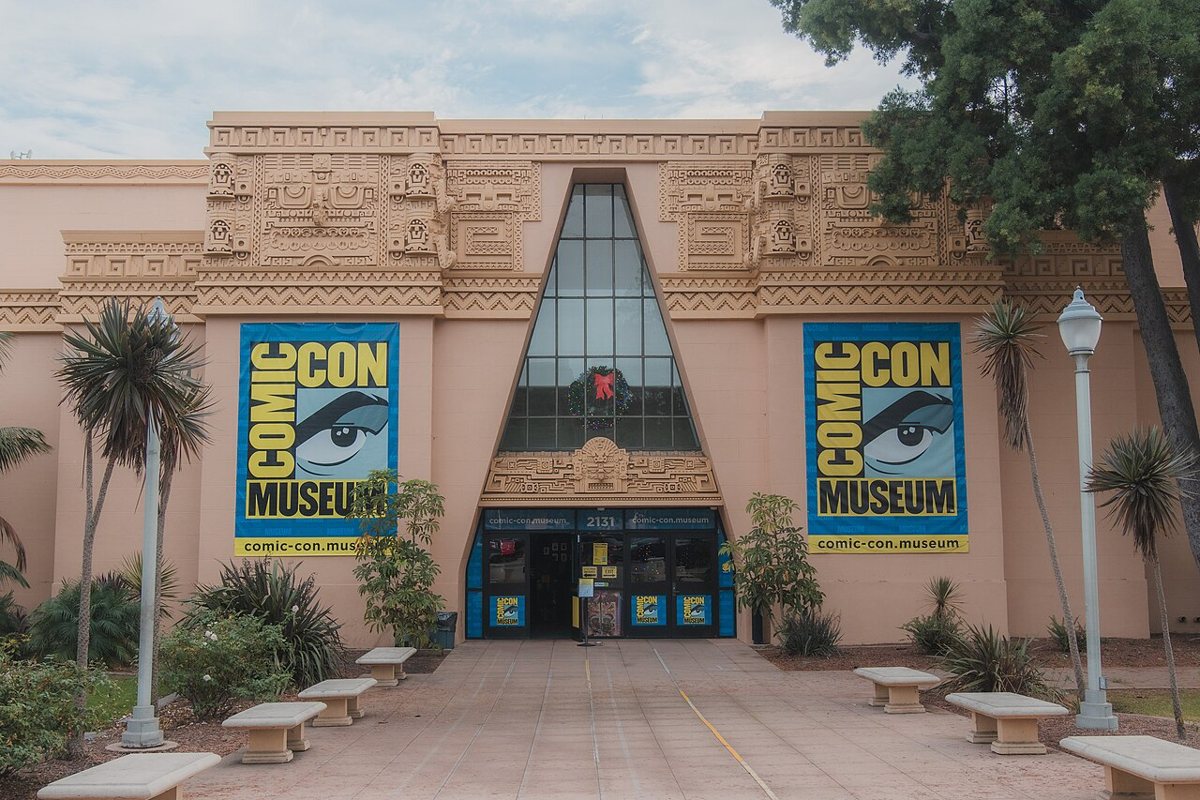
San Diego's Comic-Con is the reason a lot of people first hear the city's name outside a beach or Navy context, and the Comic-Con Museum, housed in the historic Balboa Park Federal Building, turns that convention's decades of pop-culture history into a permanent, year-round exhibit rather than a once-a-year tent show. Expect immersive exhibits on comics, film, animation, and gaming, with a rotating focus on specific franchises or eras. The programming calendar includes panels and creator appearances outside of Comic-Con week itself, so don't assume the museum only matters in July. It's on the park's eastern edge, a bit of a walk from the main Prado cluster but worth the detour.

Balboa Park's Japanese Friendship Garden, tucked into a canyon just off the Prado, isn't a museum in the traditional sense, but the traditional tea house, koi ponds, and cherry trees make it a natural pause between gallery stops, and it's worth folding into any full day in the park.
Past the Park: The Waterfront, La Jolla, and Beyond
Balboa Park covers fine art, natural history, and pop culture, but San Diego's other major museums live closer to the water, and together they cover military history, contemporary art, and childhood in ways the park's collection doesn't.
USS Midway Museum
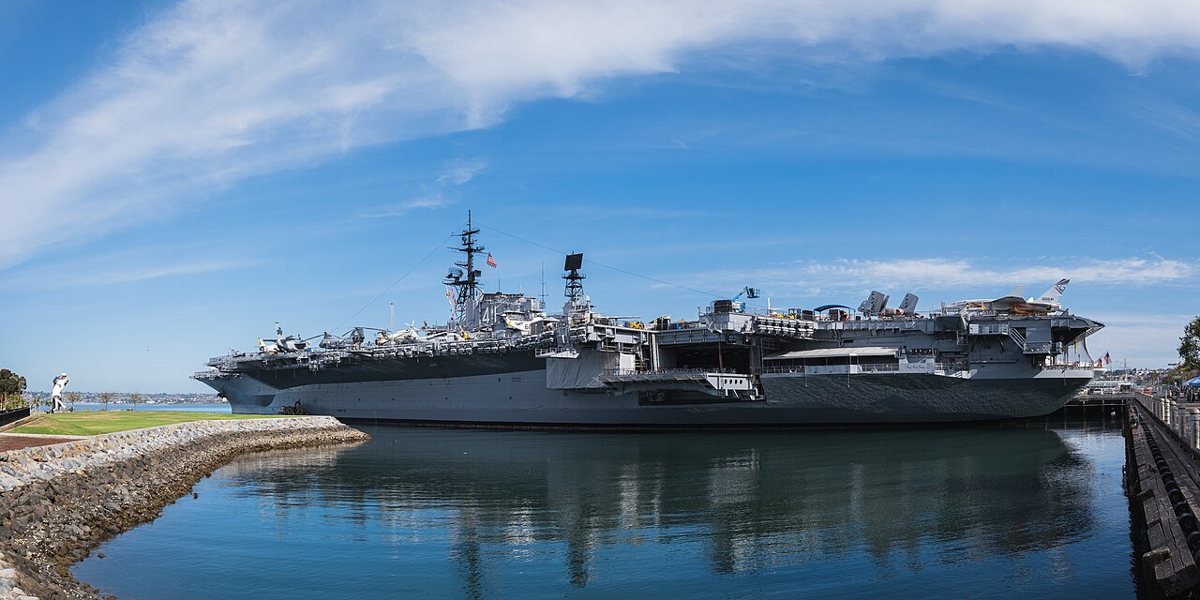
The USS Midway Museum puts you aboard a decommissioned aircraft carrier docked on the downtown waterfront, and it delivers a genuinely immersive military history experience, not a scaled-down replica but the actual ship, with a flight deck and berthing quarters to walk through and real aircraft you can climb into. The self-guided audio tour, often narrated by former Midway crew, walks you through the ship's operational history and gives a real sense of what life aboard a working carrier involved. Save the flight deck for last, since the view back toward downtown and the bay is the best payoff of the whole visit, and it's worth timing for when the light is better in late afternoon. It anchors the Embarcadero on the downtown waterfront, visible from most of the harbor.

Maritime Museum of San Diego
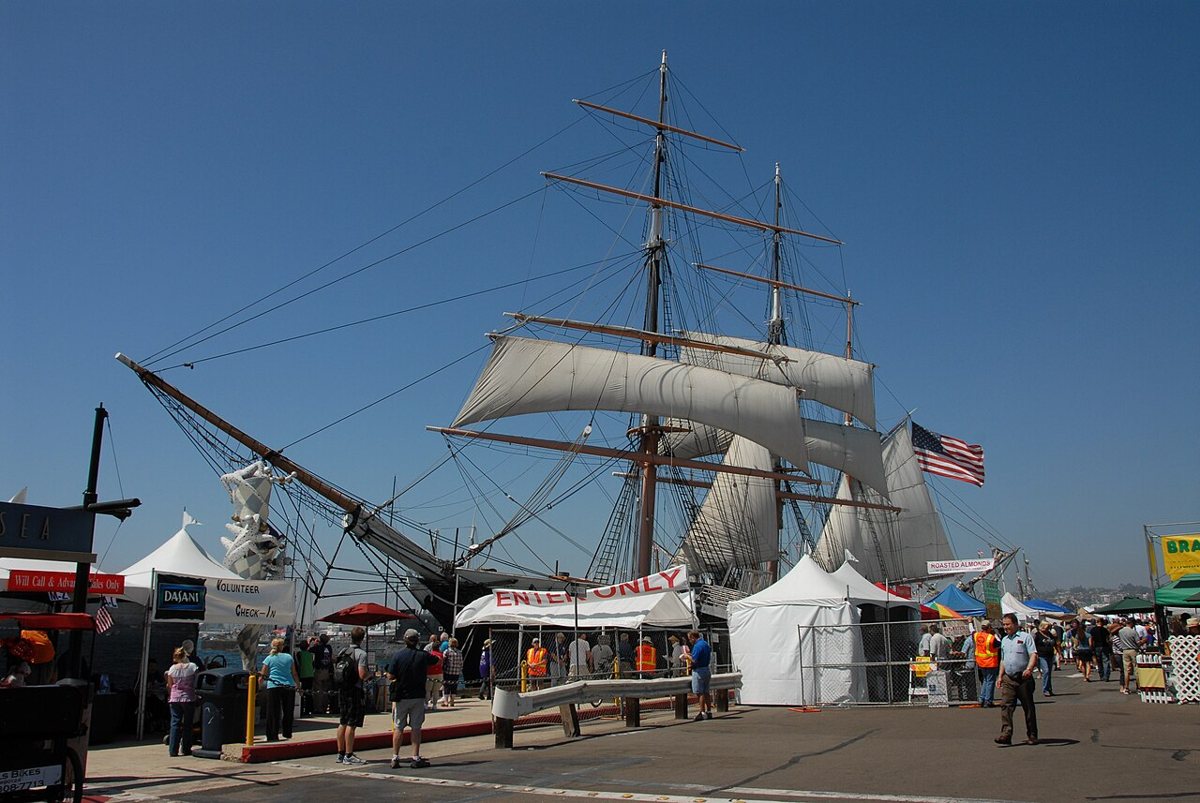
A little further up the Embarcadero, the Maritime Museum of San Diego is built around a working fleet of historic ships rather than a single building, most famously the Star of India, the oldest active sailing ship in the world, alongside a Soviet-era submarine and other restored vessels you can board and explore. It's a different kind of museum experience than a gallery walk, more like a floating campus of separate, hands-on stops. It's worth checking whether any of the tall ships are out on a bay sail that day, since riding one is a different experience entirely from touring it dockside. It's a short walk north of the Midway along the same waterfront.

Museum of Contemporary Art San Diego
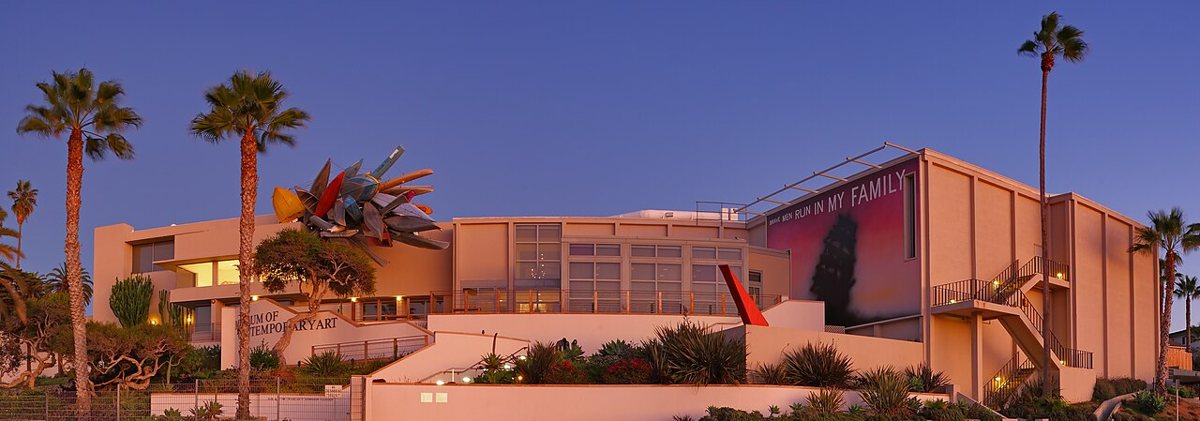
MCASD splits its exhibitions across locations, including a La Jolla site with ocean views built into the architecture and a downtown location near the waterfront, and its collection focuses on postwar and contemporary art with a genuine international scope rather than a regional-only lens. The La Jolla building's relationship to the coastline outside its windows is part of the experience, not incidental to it. Before driving over, check which location has the exhibition you actually want to see, since the two sites don't always show the same shows simultaneously. The La Jolla site sits above the coastline near UCSD, while the downtown location is a short walk from the Embarcadero museums.

New Children's Museum
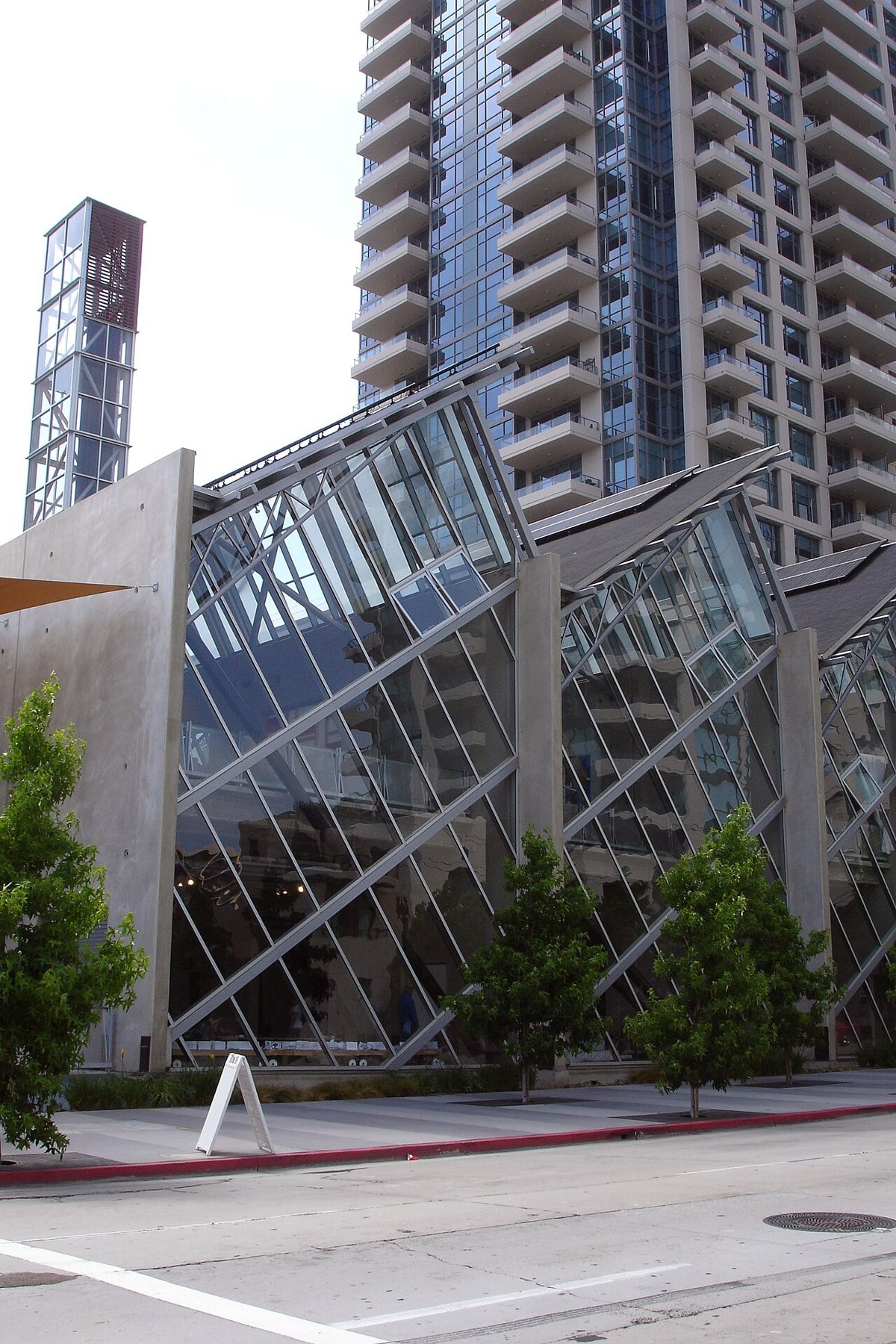
The New Children's Museum takes a different approach than a typical kids' museum, commissioning large-scale interactive art installations from contemporary artists, pieces built specifically for kids to climb through and build with, then take apart again, rather than relying on canned science-center exhibits. It's aimed at younger children but the art-first approach makes it more interesting for accompanying adults than most children's museums manage. Exhibits rotate on a longer cycle than most children's museums, so it's worth checking what's currently installed, since a strong rotation can justify a special trip even without kids in tow. It's downtown, an easy walk from Petco Park and the Gaslamp.

How to Actually Tackle Balboa Park
The park rewards a plan more than most museum districts, mostly because of its size and because parking fills up fast on weekends. A few practical notes that hold true regardless of when you're reading this:
- Parking lots are scattered throughout the park rather than centralized, and a free tram loop connects the farther lots to the central Prado area, so it's worth parking at whichever lot has space rather than circling for something closer.
- El Prado itself is pedestrian-only during the day, so once you're parked, everything in the core museum cluster is a walk, not a drive.
- A multi-museum pass covering a rotating set of Balboa Park institutions exists and is worth pricing out if you're planning to hit more than two or three museums in a single visit, since the per-museum savings add up fast.
- Several of the park's museums participate in a rotating free-admission program for San Diego County residents on select days, generally organized one museum per week rather than all at once, so it's worth checking each museum's own site for its current schedule before assuming free admission applies broadly.
- Weekday mornings are dramatically quieter than weekend afternoons, and the difference in crowd size at SDMA or theNAT between a Tuesday at 10 a.m. and a Saturday at 2 p.m. is not subtle.
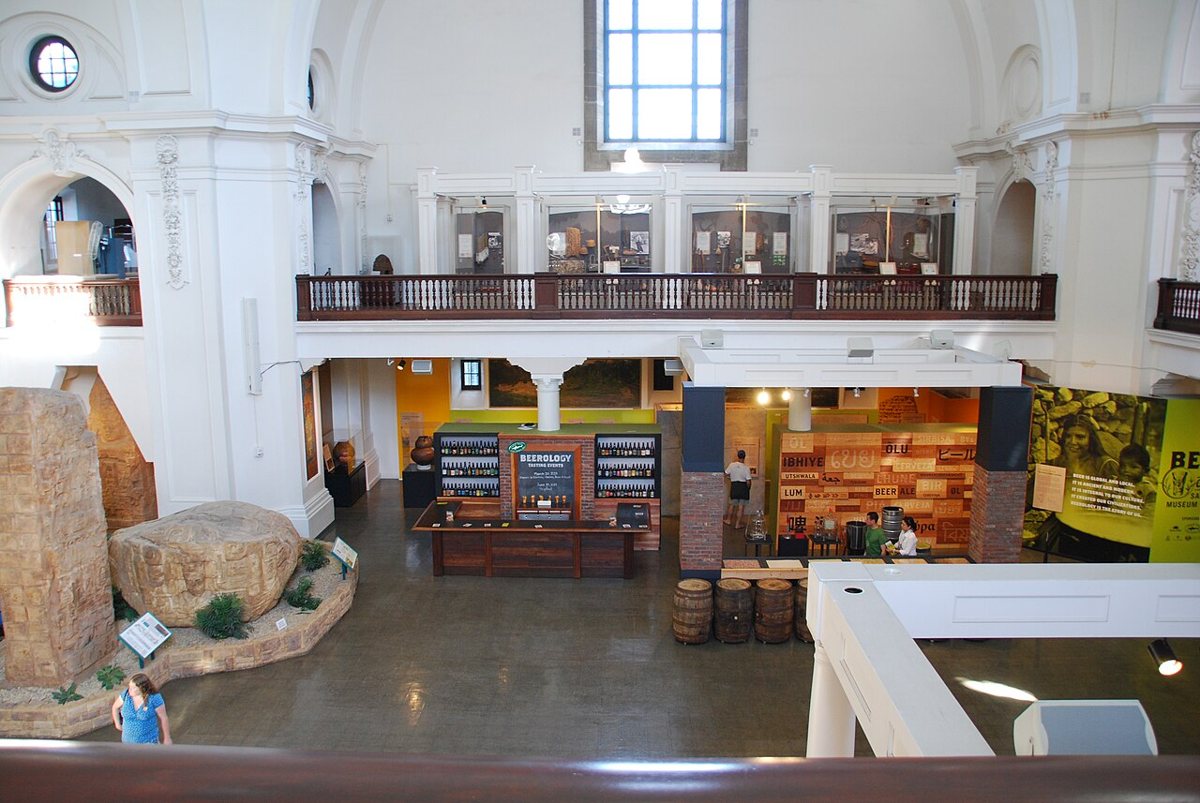
If you need a reset between museums, North Park's bar and brewery row is close enough for a proper lunch stop, and it says something about this city that a serious museum day and a serious beer list aren't treated as competing plans. That pairing, culture in the morning and a pour list in the afternoon, is closer to how San Diegans actually use their own park than the postcard version suggests.
What the Postcard Leaves Out
People who've never spent real time here tend to assume San Diego's museums are a pleasant but minor add-on to the beach, something to do if it's overcast, filed somewhere below the zoo and Sunset Cliffs on the priority list. That undersells a park built around a genuine research natural history collection, a folk-art museum that reopened with more ambition than it had before, and a decommissioned aircraft carrier that draws visitors who have never set foot on the sand a mile away. Torrey Pines runs a serious biotech corridor, and the naval and aerospace history here isn't hidden away either. The border twenty minutes south shapes daily life rather than functioning as a novelty, and all of it shows up directly in what these museums choose to collect and explain. Even the craft beer scene that's grown out of neighborhoods like North Park fits the same pattern: a city that takes its own culture seriously enough to build institutions around it, museum-grade or otherwise, instead of treating everything as incidental to the coastline.
None of that erases the coastline. Sunset Cliffs is still there, the surf is still good, and nobody's arguing otherwise. But the same city that built a research collection at theNAT and reopened Mingei with real investment is also the city where, a short drive south, a day trip across the border to Tijuana delivers its own serious art and food scene, not a punchline stop but a real extension of the same region's culture. Treat San Diego's museums the way locals do, as a full day's plan rather than a rainy-day backup, and the city stops reading as LA's easier, duller sibling and starts reading as what it actually is: a place with enough going on under its own roofs to fill a long weekend without ever touching the water.