Best Italian in the Gaslamp Quarter You'll Actually Love
On a strip built for conventioneers and ballgame crowds, a real Italian kitchen is easy to fake and worth learning to spot.
The wrought-iron balconies along Fifth Avenue still carry their Victorian bones, gaslamps flickering against brick facades that have watched this downtown strip change from a red-light district into a corridor of restaurants and pre-game bars, emptying out toward Petco Park a few blocks south whenever the Padres are home. Walk it on a Friday at six and the block turns into an open-kitchen runway: sommeliers propping menus on brass stands, garlic and char drifting from open doors, hostesses juggling names before first pitch. Finding the best Italian in the Gaslamp Quarter means learning to tell a serious kitchen from a laminated tourist menu, because both are working the same block.
That sorting matters here more than in most neighborhoods. The Gaslamp draws a captive audience: hotel guests who won't wander far, conference groups on expense accounts, fans killing two hours before a game. A restaurant in that position can survive for years on foot traffic alone, no matter what comes out of the kitchen. So the question isn't whether a place serves pasta. It's whether anyone back there actually knows what to do with flour and eggs.
How to Recognize the Best Italian in the Gaslamp Quarter
Start with the pasta itself. A kitchen making dough in-house will say so, usually more than once, and the texture gives it away regardless: a slight give, a rougher surface that grabs sauce instead of sliding off it. Boxed dried pasta isn't a crime on its own, since plenty of serious Italian cooks reach for it for certain shapes, but a menu that never distinguishes between the two is telling you nobody in the kitchen cares to.
Then check the wine list. A restaurant chasing tourists stops at a Chianti and a pinot grigio by the glass and calls it done. A kitchen that takes the food seriously usually backs it with bottles from Piedmont, Sicily, the Veneto, something beyond the two or three names every casual drinker already recognizes. It costs the owner more to stock and explain those bottles, which is exactly why a shortcut operation skips it.
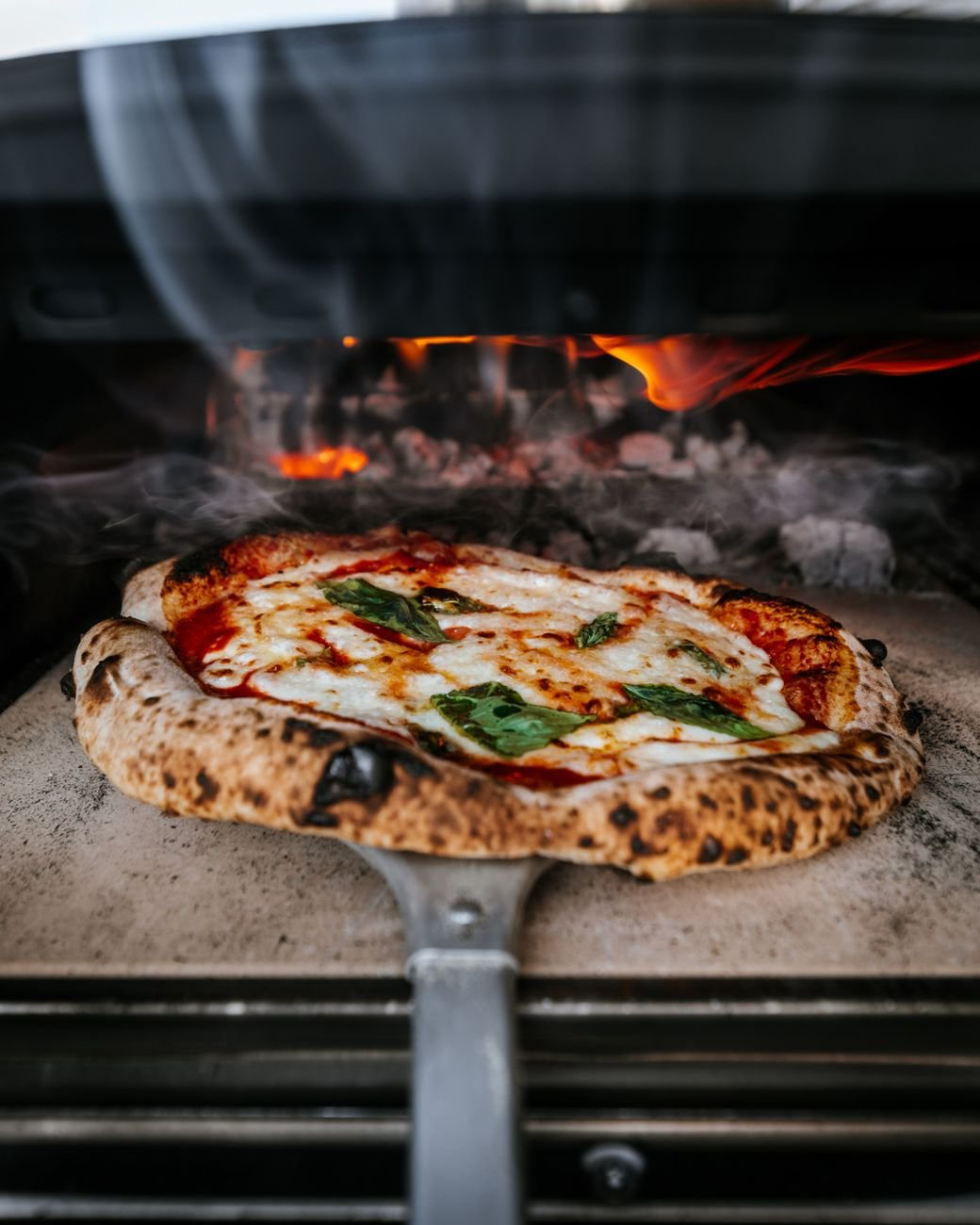
Wood-fired pizza is the third tell. Done right, the crust blisters and blackens in spots, stays thin enough to fold, and comes out in minutes because the oven runs hot enough to matter. Done wrong, it's a flatbread reheated under a broiler and dressed up with the word artisan. You can usually tell from across the dining room whether there's a live oven or a convection unit doing the work.
Signs You Are Standing in a Tourist Trap
- A multi-page laminated menu with photos of every dish
- A sidewalk host reciting a dinner special before you've looked at the menu
- Bread basket and butter delivered automatically, with garlic bread as the default
- Parmesan that comes from a shaker rather than a wedge and a grater
- A wine list that stops at three familiar names
What a Kitchen Worth Trusting Puts on the Table
Order something that leaves no room to hide. Cacio e pepe or carbonara both live or die on technique, an emulsion of egg, cheese, and pasta water that breaks into scrambled clumps the moment a cook rushes it. A margherita pizza tests restraint: good tomato, good mozzarella, a hand that knows when to stop adding things. And a braised dish, an osso buco or a short rib ragu, tells you whether the kitchen is willing to spend the hours those cuts demand, or whether everything on the menu is built for a fifteen-minute ticket time.
A short specials board, handwritten or chalked, is usually a good sign in a neighborhood built around a printed menu that never changes. It suggests someone is cooking toward what came in that morning rather than toward whatever keeps costs lowest.
Gaslamp Quarter Italian Versus Little Italy
The comparison comes up constantly, and it's worth being precise about it. Little Italy is San Diego's actual historic Italian district, a stretch along India Street with its own century of family-run delis, import shops, and restaurants that predate the neighborhood's current polish. A Saturday morning spent at the Mercato, the farmers market that takes over the district's main drag, will show you a deeper concentration of Italian-owned kitchens than the Gaslamp can currently claim, plus the produce and cheese stalls that some of those kitchens shop from directly.
The Gaslamp's advantage is different. It's compact, walkable, and built around convenience: a serious dinner is steps from a show, a bar crawl, or a walk over to Petco Park, all inside blocks lined with those same Victorian storefronts. Little Italy rewards someone who wants an afternoon built around Italian food specifically. The Gaslamp rewards someone who wants a good Italian dinner as one stop on a bigger downtown night, which is exactly why so many of the neighborhood's kitchens lean into pre-theater and pre-game timing, and why planning the rest of a downtown night before a game can be worth the extra half hour.
Neither approach is wrong. They're just built for different evenings.
The Takeaway
Before you sit down anywhere in the Gaslamp Quarter, glance at three things: whether the pasta menu specifies fresh or dried, whether the wine list goes past the obvious two bottles, and whether the pizza oven is visible and clearly wood-fired. Those three details separate a kitchen cooking for return customers from one cooking for whoever happens to be walking past on a Friday night. The neighborhood has both. Knowing which is which is the whole game.