Best Italian Restaurants in San Diego, Tried and Tested
A seasoned guide to finding genuinely great Italian cooking in San Diego: what the good kitchens do differently, where to look, and how to eat like you mean it.
Little Italy's Saturday Mercato smells like roasted coffee and something yeasty from a nearby bakery, and on any given weekend morning the neighborhood that once housed sardine cannery workers is now the most Italian-adjacent square mile in the city, even if the cooking has evolved far beyond red-sauce nostalgia. San Diego has quietly developed a serious Italian dining scene, scattered across the grid from Little Italy down to North Park and east toward Normal Heights, and finding the best Italian restaurants in San Diego requires knowing what to look for rather than which Yelp star to click.
What the Best Italian Restaurants in San Diego Actually Have in Common
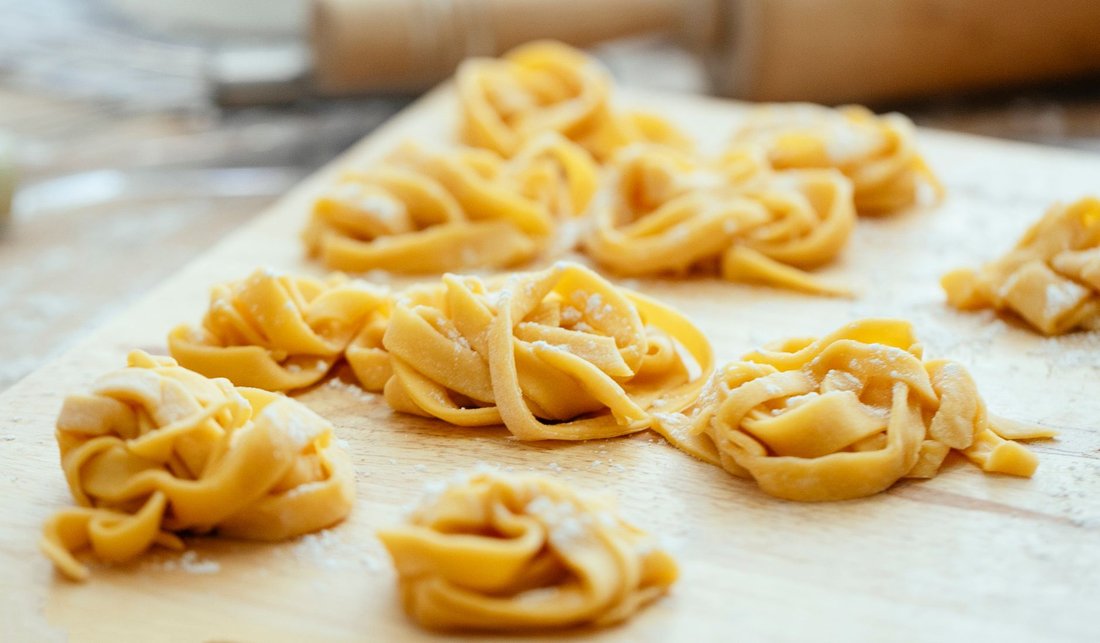
The difference between a serious Italian kitchen and a middling one usually shows itself before you order. Look at the pasta section first. A kitchen that makes its own dough (hand-cut pappardelle, extruded rigatoni, hand-rolled gnocchi) has committed to something. Fresh pasta has a short shelf life and demands attention; it signals that someone back there is cooking, not just reheating. Dried pasta is not a shortcut when it's the right shape for the sauce, but dried pasta from a generic purveyor matched to whatever sauce is moving that week is a different story.
The wine list is another tell. Italian wine in San Diego used to mean Chianti in a straw flask or a single Pinot Grigio token. A kitchen serious about its regional Italian cooking will pour regionally, too. Wines from Campania alongside southern Italian preparations, something from Friuli if the menu drifts north, a Sicilian red that earns its weight. This is not snobbery. It is coherence.
Check for a primi and secondi structure. Not every restaurant needs to enforce the full Italian sequence, but a kitchen that understands the distinction, that pasta is a course and not a main event, tends to produce food that makes more sense on the plate. When pasta arrives in portions sized to feed a linebacker, the kitchen is chasing American expectations instead of cooking Italian food.
Little Italy: History, Pressure, and Possibility
San Diego's Little Italy has been through several lives. The sardine industry collapsed. The neighborhood declined. Then it was rediscovered, then gentrified, then gentrified again at a higher price point, and today it operates as both a legitimate dining neighborhood and a tourist corridor, which means the range of quality is wide. Some of the city's most careful cooking happens here; some of the city's most expensive mediocrity does, too.
Walking the neighborhood with your eyes open matters more than any list. The places doing serious work tend to have menus that change with the season. They are not printing new menus every week as a branding exercise. The specials shift because the San Marzano tomatoes are good right now, or the branzino from the fish market is right. Restaurants that hold the same menu year-round in a city with San Diego's produce access are telling you something about their priorities.
Look also at table density. A kitchen that cares about pacing its food correctly is not trying to turn tables every 45 minutes. Italian cooking at its best is a slow thing, meant to be eaten in sequence. If the room is so packed that servers are brushing past each other and your primi arrives before you've finished your bread, the economics are working against the food.
North Park and Beyond: Italian Cooking Outside the Historic District
The honest truth is that the best Italian meal you eat in San Diego might not be in Little Italy at all. North Park's dining scene, built on the back of its craft beer culture and its willingness to host ambitious independent operators, has made room for Italian cooking with a contemporary sensibility. The neighborhood rewards wandering. Small producers, fermentation obsessives, the kind of chefs who spent time abroad and came back with specific ideas about cacio e pepe. They land in North Park because the rents are relatively survivable and the clientele is genuinely curious. For more on the neighborhood's food evolution, see our coverage of North Park's dining scene.
Hillcrest, too, has Italian options worth considering, and the Sunday farmers market there is a useful calibration tool: the kitchens sourcing from that market are plugged into what's in season. Barrio Logan sits further outside the obvious Italian dining geography, but the broader Mission Hills and South Park corridor has seen careful, ingredient-focused restaurants open in the past several years that don't announce themselves loudly but cook with precision.
How to Read a Menu Before You Commit
A few specifics worth knowing before you sit down. Carpaccio should taste like the beef, barely interrupted. If it arrives smothered in arugula and shaved Parmesan to the point where the meat is incidental, the kitchen is covering something. Risotto takes 18 to 22 minutes to cook correctly from a properly made stock; if it arrives in eight minutes, it was pre-cooked and finished to order, which produces a different dish. Tiramisu should not be served frozen or in a parfait glass as an afterthought. A kitchen that makes its own desserts is finishing its argument, not abandoning it.
Regional Italian distinctions matter and are worth asking about. Neapolitan cooking is different from Venetian, which is different from Roman, which is different from Sicilian. A menu that mixes osso buco (Milanese), arancini (Sicilian), and spaghetti alle vongole (Neapolitan/Roman) without any apparent logic is Italian in the broadest cultural sense, which is fine for a certain kind of evening but not what serious cooking looks like. The kitchens with a point of view tend to specialize or at least organize their menus around a coherent regional idea. That focus is usually what makes the food worth the drive.
San Diego's relationship to its own food culture has matured enough that diners here are no longer easily impressed by the theatrical or the expensive. The city that spent years in Los Angeles's shadow is not in that shadow anymore, at least not at the table. The Italian cooking worth seeking out reflects that shift: less performance, more actual cooking, more attention to what a dish is supposed to be before deciding how to make it here. That is the kind of restaurant that earns a return visit, and in San Diego right now, there are more of them than people tend to admit. See also our full guide to Little Italy dining for neighborhood context.