North Park Neighborhood Guide: The Local Guide
A walkable, unpretentious slice of San Diego where craft beer got serious, the murals keep multiplying, and the neighborhood stopped apologizing for not being the beach.
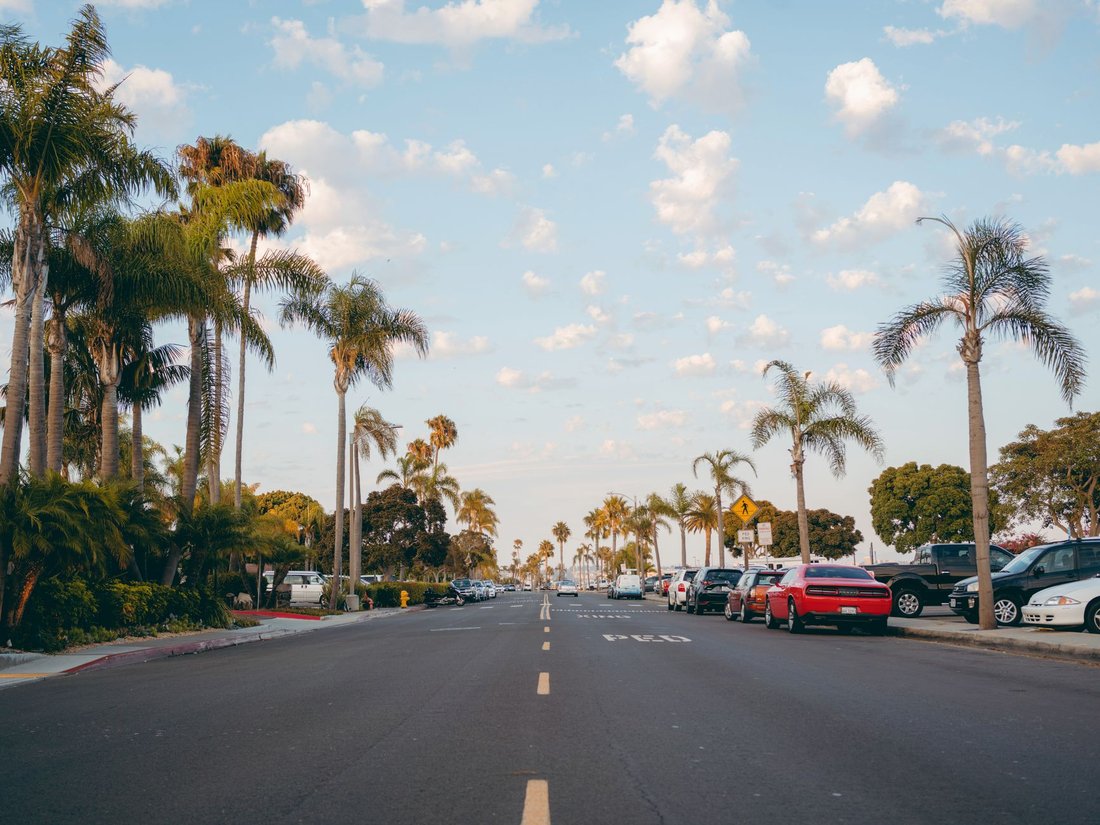
The North Park Water Tower shows up before the street signs do. It's a squat, weathered cylinder that has watched this stretch of San Diego dodge the wrecking ball for the better part of a century, and it still functions as the neighborhood's compass point. Anyone writing a North Park neighborhood guide has to start there, because locals still use it the way older San Diegans use the ocean: as the thing you orient yourself by, even when you can't see it yet.
What sets North Park apart from most San Diego neighborhoods is that you can actually walk it. This is a city built for cars, spread thin along canyons and freeways, where 'walkable' usually means a parking lot with a sidewalk attached. North Park breaks that pattern. University Avenue and 30th Street form a rough cross through the middle of the neighborhood, and most of what matters sits within a few blocks of that intersection: restored storefronts, restaurant patios, tasting rooms, and the North Park Theatre marquee lit up over the sidewalk most nights of the week.
Why North Park Became San Diego's Craft Beer Center
West Coast IPAs were essentially invented in San Diego, and North Park is where that history is easiest to feel. The neighborhood has one of the highest concentrations of breweries and tasting rooms in the city, packed into converted garages, old auto shops, and storefronts along 30th Street that used to sell furniture or hardware. It didn't happen by accident. Cheap industrial space, a walkable grid, and a generation of home brewers who wanted a place to pour their beer turned this into ground zero for the local beer scene, and the neighborhood has leaned into that identity rather than resisting it. On weekend afternoons the sidewalks along 30th fill with people moving between tasting rooms on foot, which is not something you see in most of this city.
What the Streets Actually Look Like
North Park earns its reputation for murals honestly. Alleys and side streets carry large-scale work that changes often enough that a route you walked six months ago looks different now. The murals aren't confined to one gallery block; they show up on the sides of buildings you'd otherwise pass without noticing, which makes wandering off University or 30th worth the extra ten minutes. Combine that with the restored North Park Theatre, a genuine art deco landmark that still runs live shows and events, and you get a neighborhood that reads as lived-in rather than staged for visitors.
Housing stock tells its own story. Craftsman bungalows and Spanish-style courtyard apartments sit next to newer infill, a mix that reflects decades of families staying put alongside waves of newer residents. Rent has climbed here the way it has climbed everywhere close to downtown, and longtime residents will tell you plainly that the neighborhood they grew up in and the neighborhood on real estate listings today are not quite the same place. That tension is part of what makes North Park interesting rather than a threat to pretend doesn't exist.
Eating Your Way Down University and 30th
Food in North Park runs wider than most out-of-towners expect. Baja-style fish tacos show up on menus because Tijuana is close enough to shape how this city eats, not as a novelty import but as an everyday reference point. The California burrito, that local invention stuffed with carne asada and French fries, is easy to find in the neighborhood's taquerias and late-night counters. Beyond that, North Park's restaurant scene covers a real range: ramen counters, wine bars, vegan spots, and old-school diners that have outlasted several waves of turnover along University Avenue. The point isn't any single dish. It's that you can eat a genuinely different meal every night for a week without leaving a fifteen-minute walk.
Balboa Park's East Edge and Morley Field
North Park sits right against the eastern boundary of Balboa Park, which changes how residents use both places. Instead of driving in from across the city, people here treat the park's eastern reaches, including Morley Field with its sports courts, disc golf course, and pool, as an extension of their own backyard. It's a quieter, less-photographed side of nearby Balboa Park than the museum quad near downtown, used more by joggers and dog walkers than tourists. That proximity is a big part of why North Park feels connected to the rest of the city instead of isolated in its own bubble.
Getting Around Without Losing Your Mind
- 30th Street and University Avenue are the two spines; most errands and outings happen within a few blocks of where they cross.
- Parking gets tight on weekend evenings near the busiest blocks of 30th, so plan to walk once you've found a spot.
- North Park connects easily to the rest of the city off the 15, and it's a short run from the 805 if you're coming from other parts of town.
- The neighborhood borders South Park and University Heights, both worth a wander if you've already covered North Park's main strips.
None of this makes North Park a finished product. New buildings keep going up, old tenants keep getting priced out, and the same conversations about growth and displacement that play out across San Diego play out here too, sometimes more visibly because the change is so concentrated. What hasn't changed is the basic shape of the place: a dense, walkable grid anchored by a water tower and a theater marquee, built around beer, murals, and food that reflects a city with real ties to the border, not a postcard version of one. Come for an afternoon and you'll cover more ground on foot than in most other San Diego neighborhoods combined, and that's the whole draw.