Best Things to Do in San Diego: A Local's Guide
A former San Diego Magazine culture editor picks the coastline, neighborhoods, and border-adjacent corners that actually explain the city, past the beach-and-burrito postcard.
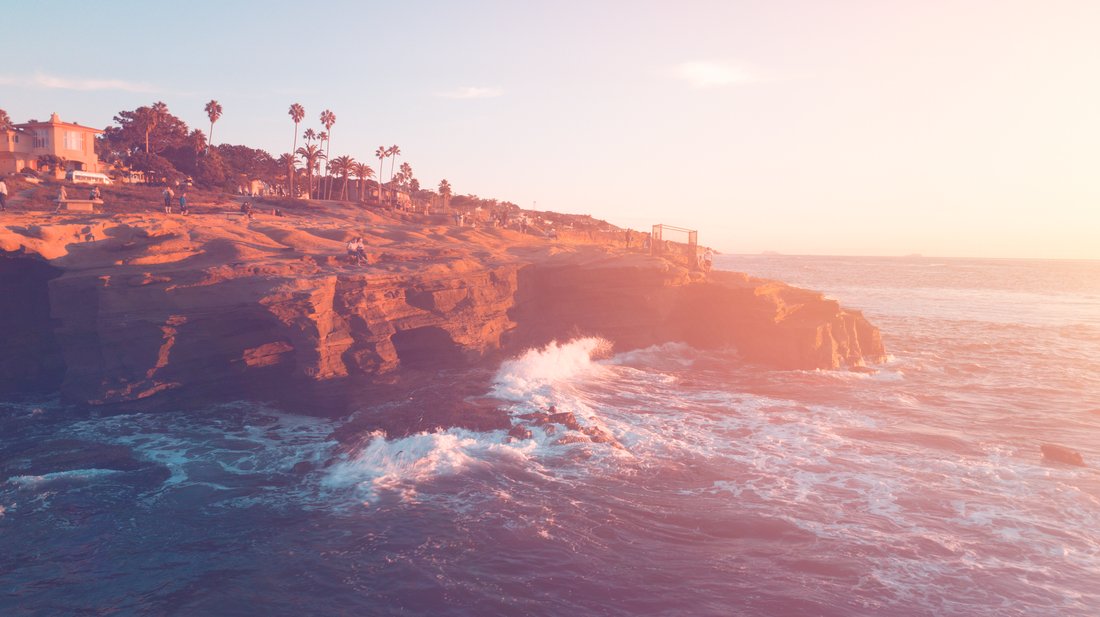
Six-forty on a Tuesday morning, and the dirt lot above Sunset Cliffs already has surfboard racks lined up on truck beds, a guy eating a breakfast burrito on his tailgate, and a retired couple walking a leashed corgi toward the point to watch a decent south swell roll through under a pink sky. Nobody there is taking a photo. They live here, or they've been here often enough that the cliffs are just where the morning happens. That's the version of the best things to do in San Diego I want to hand you, because too many guides read like they were written from a hotel room off Mission Valley, listing the same six spots in the same order. This one comes from someone who has surfed these cliffs badly for a decade, eaten more California burritos than is medically advisable, and driven south on the 5 into Tijuana for dinner more times than I can count. Everything below is real, checkable, and the kind of place I actually send visiting family, organized by area and by who you're traveling with, not just ranked one through ten.
Best Things to Do in San Diego Along the Coast
Start where the locals start. Sunset Cliffs runs along the western edge of Point Loma, a string of sandstone bluffs that drop straight into the Pacific with no boardwalk, no snack stand, and only a low fence in the spots where the erosion is bad enough to warrant one. Surfers paddle out at several named breaks along the point, tide pools show up at the north end when the tide pulls back far enough, and the sunset views here are the reason locals will argue with you if you suggest Coronado is better for it. Walk the unpaved trails south toward the tide pools around low tide, and keep real distance from the edges, since the cliff faces crumble more than visitors expect. Skip the main overlook lot on a summer weekend and park a few blocks up Sunset Cliffs Boulevard, then walk down, because the close spots fill by mid-morning. This is Ocean Beach and Point Loma at their least filtered, and it's the stretch of coastline that actually belongs to the neighborhood rather than to a tourism board.
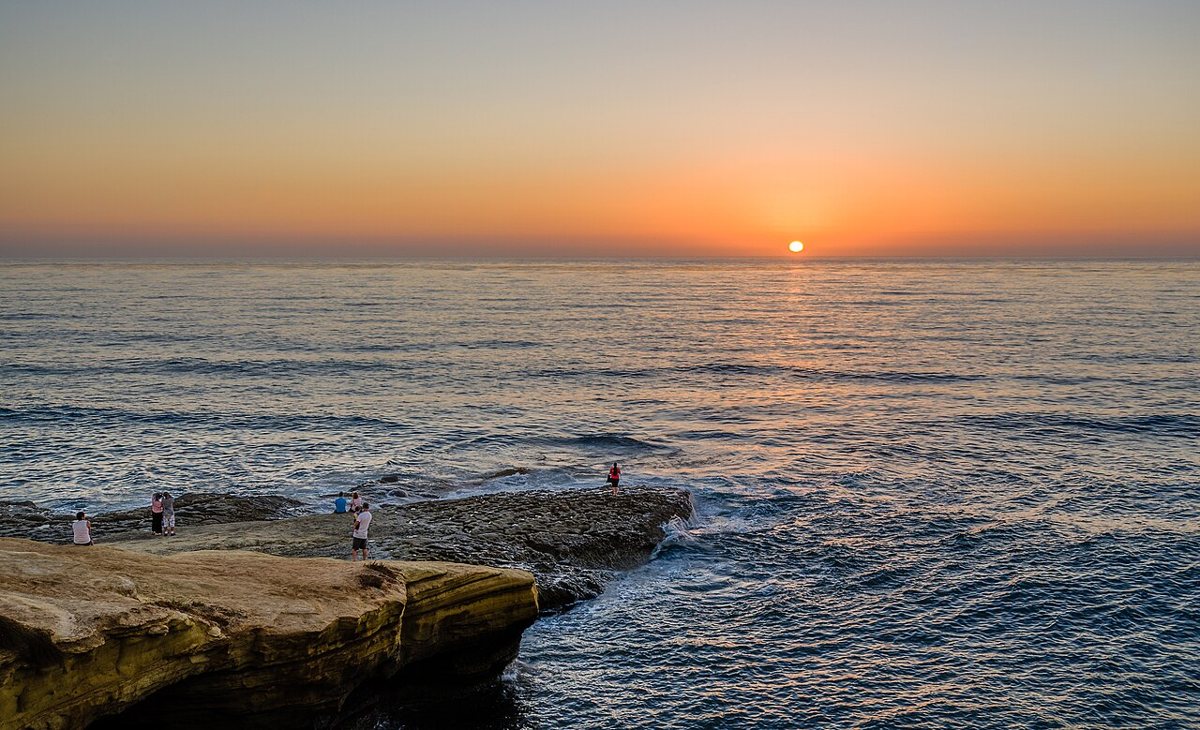

Ocean Beach itself, just below the cliffs, is the neighborhood that never got the memo that San Diego has gone upscale. Newport Avenue is lined with dive bars, surf shops that have been there since the seventies, antique stores, and a fishing pier that stretches far enough out over the water that you forget you're still inside city limits. OB is also home to one of the best off-leash dog beaches in the state, where half the neighborhood seems to show up with a golden retriever on weekend mornings. Grab a good fish taco spot near the pier and eat it on the sand while you watch the pier fishermen work. The farmers market that takes over a stretch of Newport Avenue one evening a week is where you find OB's actual community rather than its visitors, so check current listings and time a visit around it if you can.
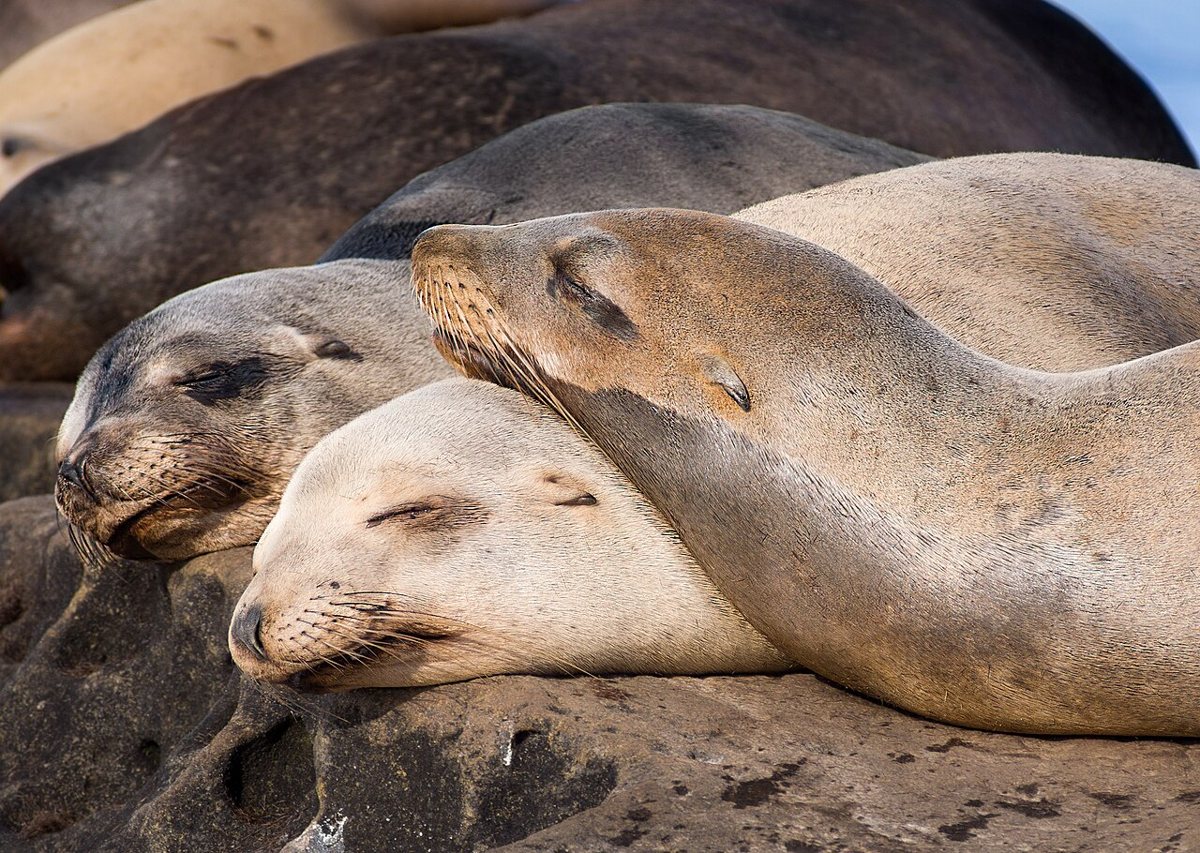
Twenty minutes north along the coast, La Jolla is a different San Diego entirely. This is the wealth end of the coastline, home to UC San Diego and a cove that draws snorkelers, kayakers, and a permanent colony of sea lions that took over the rocks and the adjacent beach without asking anyone's permission. La Jolla Cove itself is a small, protected inlet with clear water and an easy entry point for snorkeling among garibaldi and the occasional leopard shark cruising the shallows in warmer months. Follow the coastal path above the cove for views out toward the Children's Pool, where harbor seals haul out on the sand most of the year. One thing to know: the sea lions smell strong and are not shy, so keep dogs and small children a real distance away and never approach one for a photo. Arrive early on a weekend morning if you want a parking spot anywhere near the village.

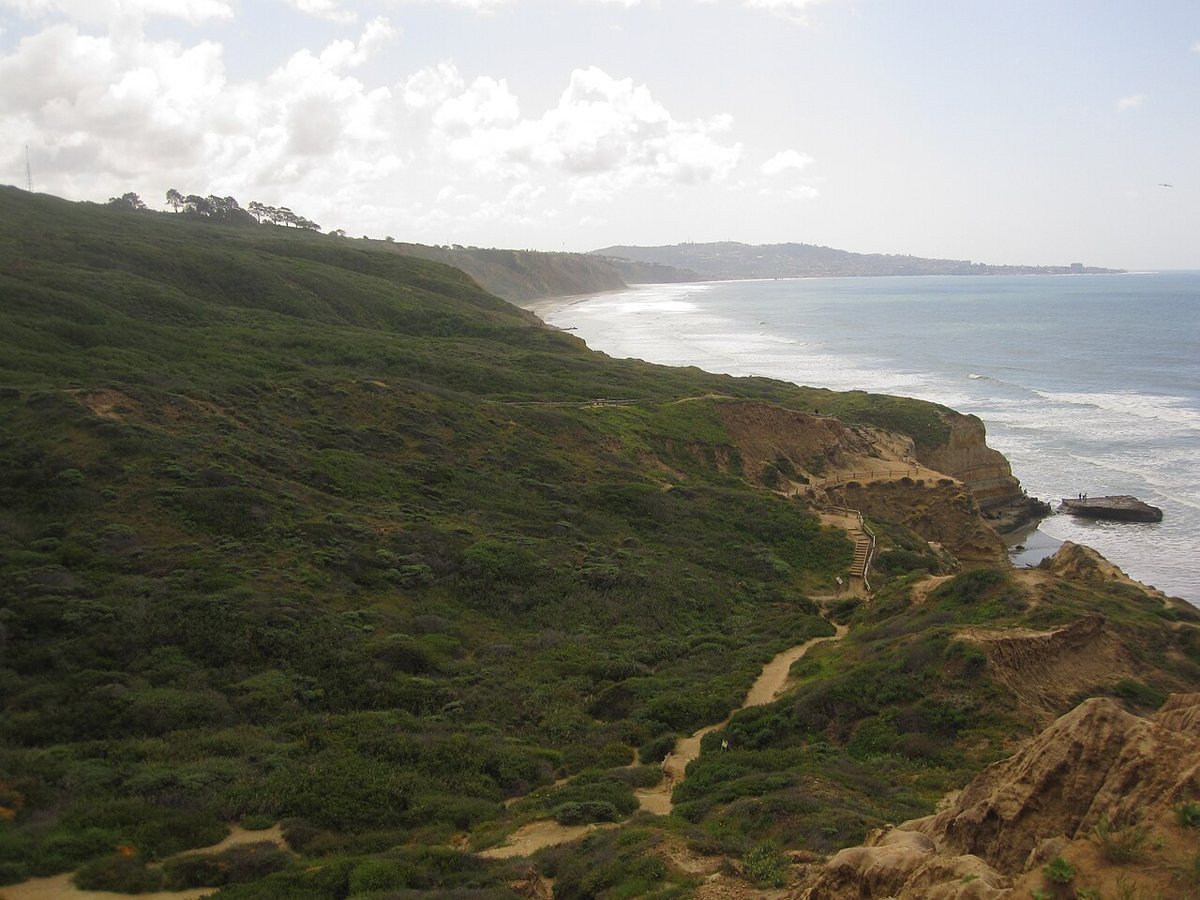
A few minutes north of La Jolla, Torrey Pines State Natural Reserve protects one of the rarest pine species in the country along a run of sandstone bluffs and canyons that drop to a wide beach below. The trail network is short but genuinely steep in places, climbing through badlands-style formations before opening onto ocean views that run down the coast toward the Torrey Pines Gliderport, where paragliders launch off the cliffs on days with the right wind. Hike down to the beach, walk north or south along the sand, then climb back up before the afternoon marine layer rolls back in and softens the view. The reserve limits how many cars it lets into the small lot at a time, so arrive early on weekends or plan to park along the road and walk in.

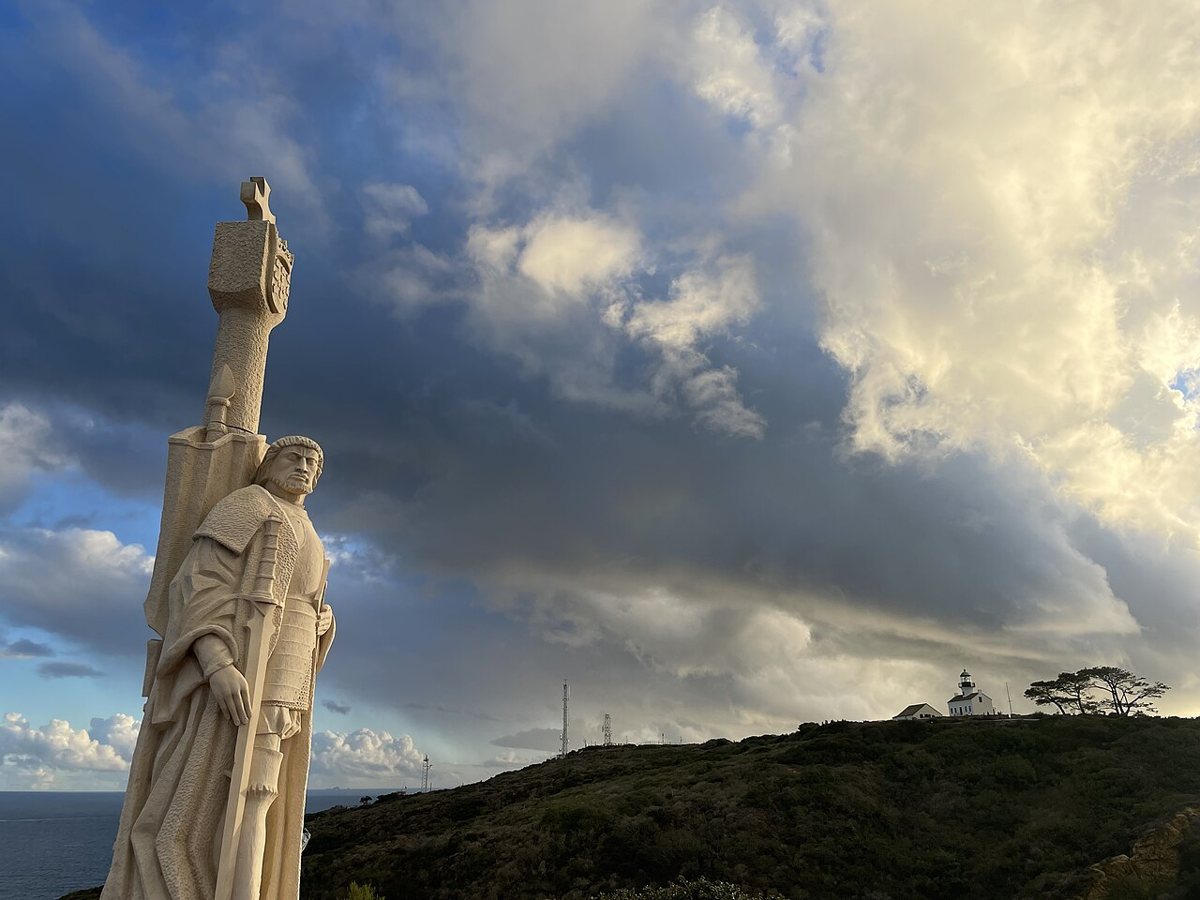
Back down the peninsula, Cabrillo National Monument sits at the tip of Point Loma, marking the spot where a European expedition first came ashore on what's now the West Coast. The real draw is the view: from the overlook you can take in the entire San Diego Bay, the downtown skyline, Coronado, and on a clear day, the hills of Tijuana to the south, all in one frame. Below the visitor center, a set of tide pools opens up at low tide, full of anemones, crabs, and the occasional octopus for anyone patient and quiet enough to spot one. Winter visits sometimes line up with the gray whale migration, visible from the overlook with binoculars. Go for sunset, then work your way down to the tide pools once the parking lot has emptied out and the light is at its best.

Balboa Park and the Museum Campus
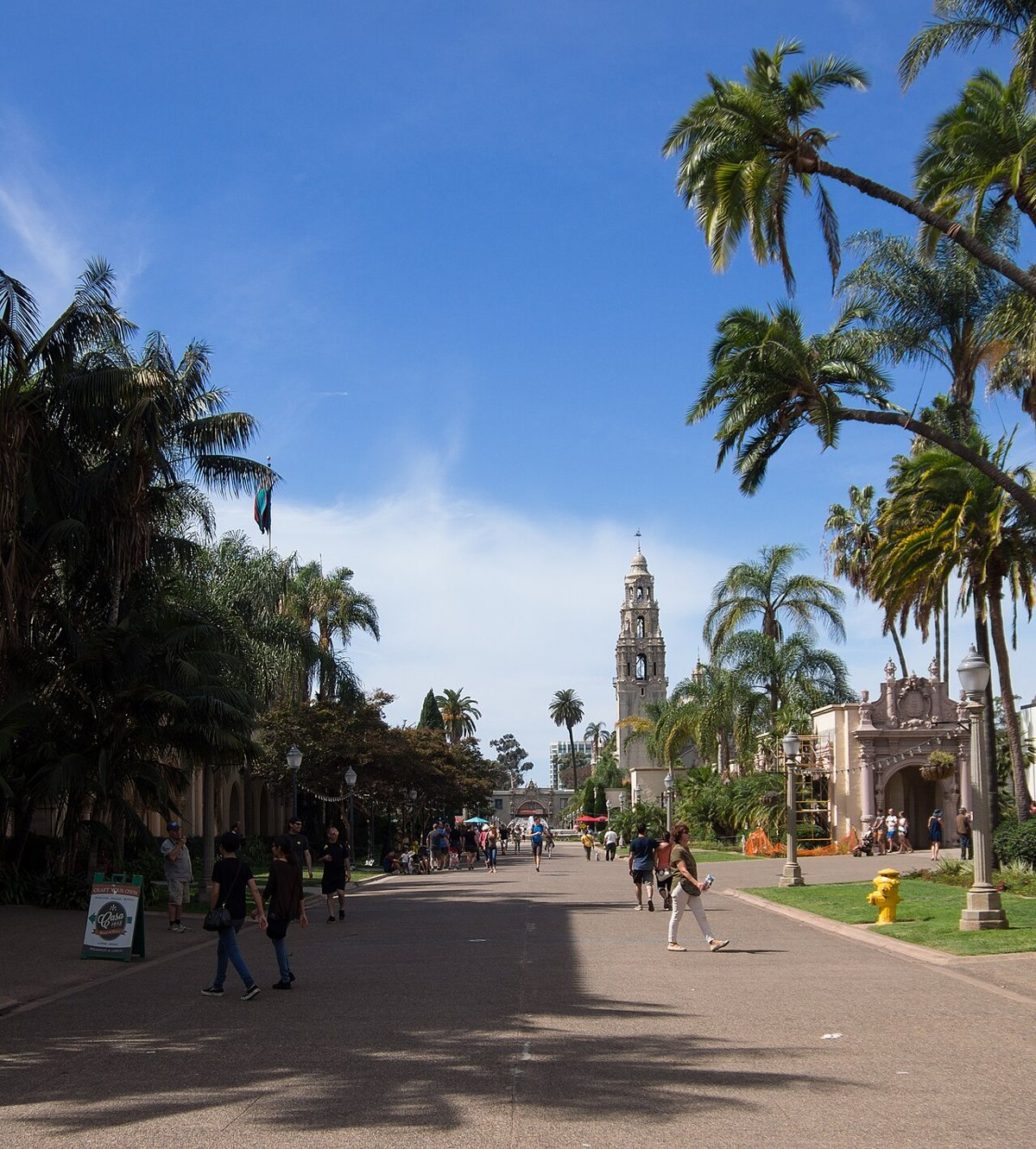
Balboa Park is where the city put its cultural ambition on display generations ago, and it still works. A sprawling campus of Spanish Colonial Revival buildings, canyons, and gardens built for a pair of early twentieth-century expositions, it holds more than a dozen museums, several theaters, an arts colony of working studios, and enough eucalyptus-shaded paths to spend an entire day without repeating a view. Walk El Prado, the park's main promenade, past the ornate facade of the California Building, then wander into whichever museum matches your mood, whether that's photography, natural history, or air and space. The outdoor organ pavilion hosts free concerts on a regular schedule, and the rose and desert gardens are free to walk through any day of the year. Parking near the museums fills fast, so if the main lots are full, park farther out along Presidents Way or near the arts colony and walk in rather than circling for twenty minutes.

Inside the park's northern half sits the San Diego Zoo, a genuinely world-class zoo that lives up to its reputation. The collection spans an enormous walk-through aviary, a mature canopy of trees that makes the whole property feel like a botanical garden that happens to have animals in it, and enclosures designed with enough depth that the animals actually have room to move. The zoo's aerial tram gives a useful overview early in a visit if you want to plan your route before your legs get tired on the hills. Wear real shoes and arrive close to opening: the zoo is genuinely hilly and much bigger than it looks on the map, and the more active animals retreat into the shade once the midday heat sets in.


Downtown, the Bay, and the Ballpark
Down on the Embarcadero, the USS Midway Museum is a decommissioned aircraft carrier turned floating museum, and it's a genuinely different scale of thing once you're standing on the flight deck with the downtown skyline behind rows of retired fighter jets. A self-guided audio tour, narrated partly by former crew members, walks you through the ship's below-deck world: the galley, the sick bay, the sleeping quarters where thousands of sailors once lived stacked in bunks a few feet apart. Up top, several aircraft are open to climb into, and flight simulators run for an added charge. The interior passageways are narrow, hot, and full of stairs, so this isn't the easiest stop for anyone with mobility concerns, but the flight deck alone is worth the visit for the view across the bay toward Coronado.


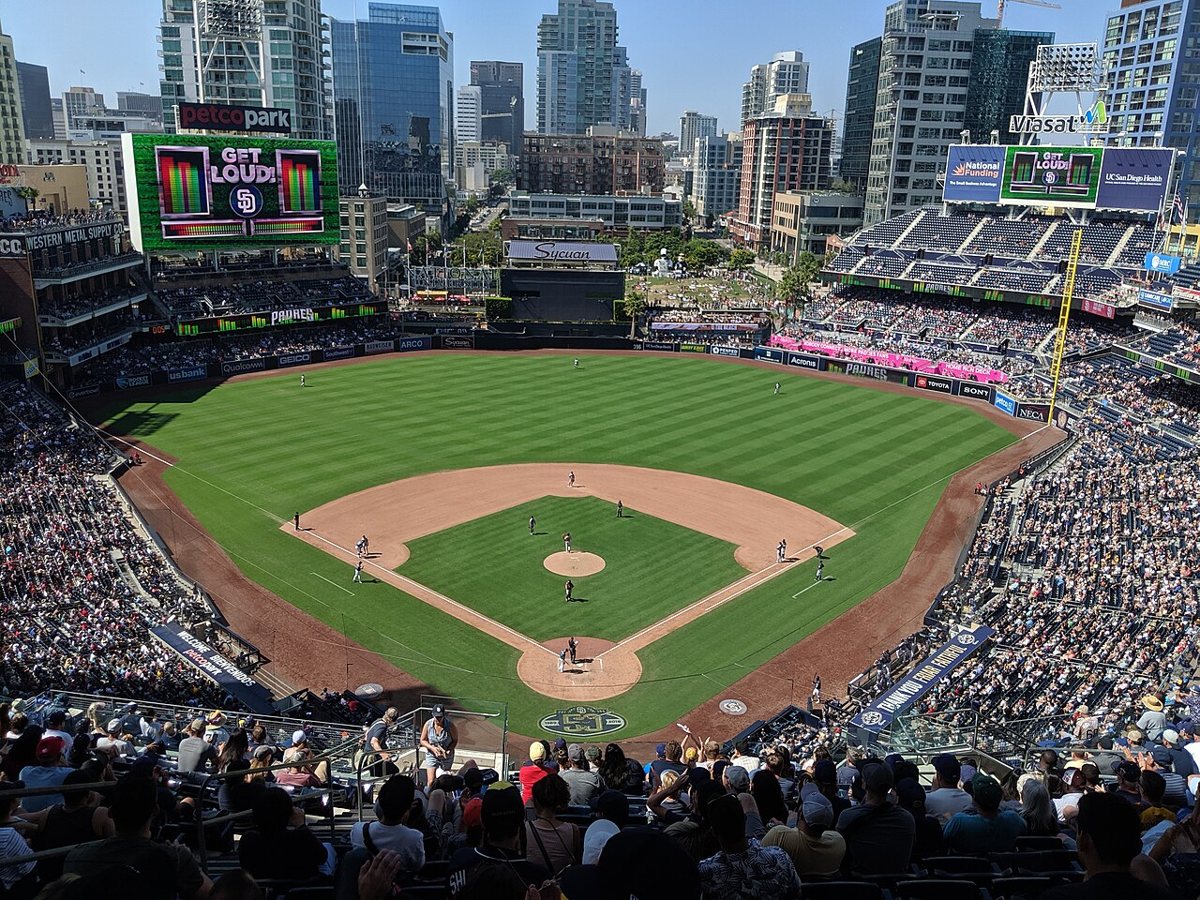
A short walk inland, Petco Park anchors the Gaslamp Quarter and gives the city one of the better ballpark experiences in the country, thanks to a design that opens toward downtown instead of walling it off. Even on non-game days, the surrounding blocks of restored Victorian-era buildings hold most of downtown's nightlife, from rooftop bars to late-night taco counters that stay busy long after the Gaslamp's restaurants close their kitchens. On game nights, the outfield's standing-room areas sell cheaper tickets for anyone who wants the atmosphere more than an assigned seat. Walk a few blocks past the Gaslamp's main strip toward East Village for better food at lower prices than the tourist-facing blocks right around the ballpark gates.

North of downtown, Little Italy has traded most of its old-neighborhood grit for design studios, coffee roasters, and a restaurant scene that punches well above its size, but the Saturday morning Mercato is still the best reason to go. The market fills India Street and the surrounding blocks with produce stalls, flower vendors, and food carts, and it functions as much as a social event for the neighborhood as a shopping trip. Come hungry and treat it like a moving meal: a pastry at one stall, fresh juice at another, then a proper sit-down lunch at one of the modern Italian spots once the crowds start to build. Go early, before browsing turns into shuffling shoulder to shoulder.
The Neighborhoods That Give San Diego Its Character
North Park
North Park is the reason San Diego's craft beer reputation isn't hype. The neighborhood holds one of the highest concentrations of breweries and taprooms in the city, most within walking distance of each other along University Avenue and 30th Street, and the scene here leans toward serious West Coast IPAs and barrel-aged sours rather than novelty beers built for a label. Between taprooms, North Park's streets are covered in murals, and the food ranges from ramen counters to wine bars that would hold their own anywhere in the city. Spend an afternoon doing a proper brewery crawl on foot rather than driving between stops, since parking near the busiest blocks gets tight by early evening. Rideshare between the far ends of 30th Street instead of walking the whole stretch, because the neighborhood runs longer than it looks on a map.
Hillcrest
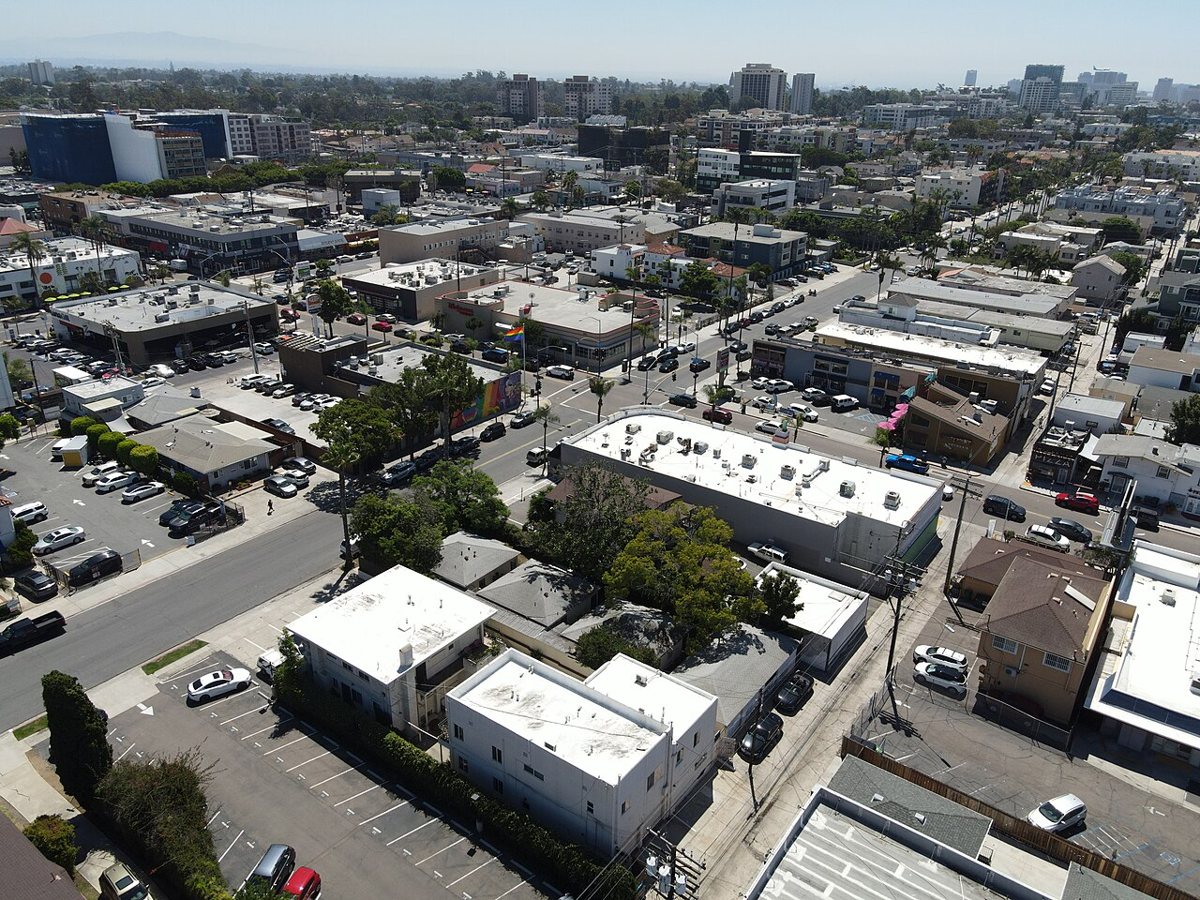
Just west of North Park, Hillcrest has been the center of San Diego's LGBTQ community for decades, marked by rainbow-painted crosswalks at University and Normal Street and a run of independent shops and restaurants along University Avenue. The Hillcrest Farmers Market, held weekly, is one of the best in the city, mixing produce stalls with prepared food from the neighborhood's own restaurants, and it draws a genuinely mixed, local crowd rather than a tourist one. Evenings here lean toward a real bar and restaurant scene, especially along University Avenue and Fifth Avenue. Parking gets tight during market hours, so walk or bike in from a nearby neighborhood if you can manage it.

Barrio Logan and Chicano Park
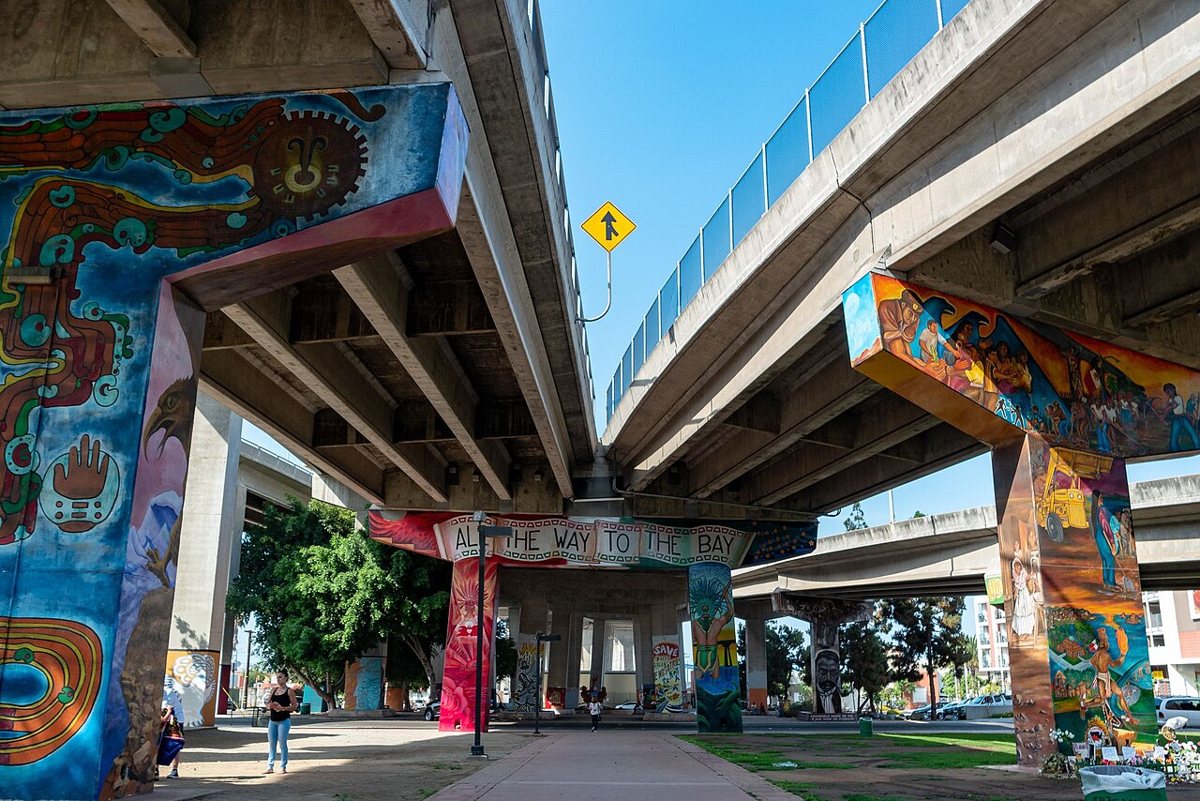
South of downtown, under the on-ramps of the Coronado Bridge, Barrio Logan is home to Chicano Park, a landmark of Chicano culture and activism recognized well beyond California. The park's support pylons carry an enormous, decades-spanning collection of murals that began going up in the 1970s, after neighborhood activists took over the space under the bridge and turned it into public art instead of letting it become another parking lot. The surrounding blocks hold artist studios, a strong low-rider culture, and some of the city's best cross-border food, including birria and adobada that reflect Barrio Logan's deep, ongoing tie to Tijuana, just south on the 5. The murals reward a slow walk rather than a quick drive-by, and several of the studios along Logan Avenue open to the public on weekends.

Coronado
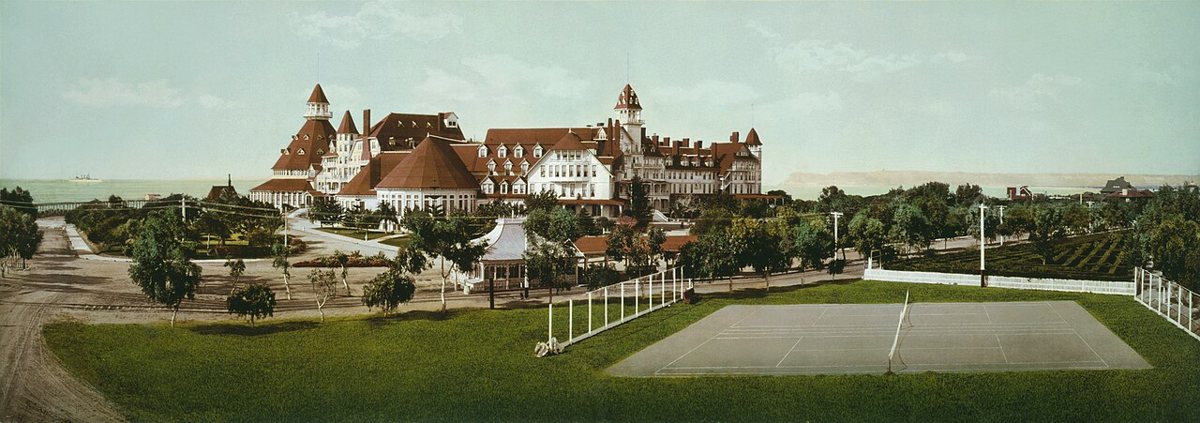
Across the bay, reachable by bridge or by a short ferry ride from the Embarcadero, Coronado feels like a small beach town that time mostly left alone. The Hotel del Coronado, a Victorian-era beach resort dating to the 1880s, anchors the town and is worth a walk through even if you're not staying there, especially along its wide public beach, where the sand catches a faint shimmer from mica deposits at the right angle of light. Orange Avenue, the town's main strip, holds a walkable run of shops and restaurants that feel distinctly separate from the rest of the city, both slower and tidier. Take the ferry over from the Embarcadero instead of driving across the bridge; it takes longer, but the view back toward downtown is worth the extra time on the water.

Matching the City to Who You're Traveling With
Traveling with kids
The San Diego Zoo and Balboa Park's science and natural history museums are the obvious anchors for a family day, but build in downtime, since both properties are big enough to wear out small legs by early afternoon. Cabrillo National Monument's tide pools give kids something to actually do rather than just look at, and the calm water at La Jolla Shores, just north of the cove, is a gentler swimming spot than the open beaches for younger children. Seaport-area paths along the Embarcadero are flat, stroller-friendly, and end at the USS Midway if the kids want to climb into a cockpit.
Beer and food people
Base yourself in North Park or South Park for a couple of nights and treat the neighborhood breweries as the itinerary rather than an add-on. Balance it with a Barrio Logan afternoon for the cross-border food and a Little Italy morning for the Mercato. Don't leave without trying a California burrito, the carne asada and fries combination that started here and still shows up better at a taco shop counter than at any sit-down restaurant. If you have an extra day and a passport, crossing into Tijuana for a meal shows a side of this region most itineraries skip entirely, and it's a short trip from South Bay neighborhoods like San Ysidro.
History and culture people
Balboa Park's museum row, the USS Midway, Cabrillo National Monument, and the murals at Chicano Park together cover more genuine history than most cities offer in a single visit, from Spanish colonial architecture to naval history to a civil rights-era art movement that's still active today. Old Town San Diego, near where the original Spanish and Mexican-era settlement stood, adds another layer if you want to keep going, with historic adobe buildings and restaurants built around that older layer of the city's story.
Getting Around, Timing, and What's Free
San Diego rewards a car, or at minimum a willingness to use rideshare between neighborhoods, because the trolley and bus system covers downtown, Old Town, and a few corridors reasonably well but doesn't reach the coastline efficiently enough for a beach-hopping day. Budget real time for the 5 and the 8, especially during commute hours, since both freeways bottleneck badly near downtown and along the coast in La Jolla. Mornings are the best time to see the coastline, both because the light is better and because summer afternoons often bring in the marine layer, the gray coastal fog locals call June gloom, which can sit over the beaches while inland neighborhoods stay sunny and warm. If you only have a few days, pair one coastal day around Sunset Cliffs, La Jolla, and Torrey Pines with one culture day in Balboa Park and downtown, and one neighborhood day split between North Park, Hillcrest, and Barrio Logan, rather than trying to cover all of it at once.
A good amount of what makes this city worth visiting doesn't cost anything beyond gas or a rideshare fare:
- Walking Sunset Cliffs and the tide pools nearby at low tide
- Balboa Park's gardens, canyons, and outdoor organ concerts
- Viewing the sea lions and the cove from the coastal path in La Jolla
- The murals at Chicano Park
- Wandering the Little Italy Mercato or the Hillcrest Farmers Market, aside from what you spend on food
- Watching paragliders launch from the overlook at the Torrey Pines Gliderport
Museums inside Balboa Park, the zoo, the USS Midway, and Cabrillo National Monument all charge admission, so if budget matters, pick two or three of those rather than trying to fit all of them into one trip. Check current hours and pricing before you go, since both change more often than people expect.
The San Diego I'd Show You
People still ask if this city is basically a nicer, sleepier Los Angeles, and that question misses what's actually going on here. San Diego has a serious biotech industry running out of research campuses in La Jolla and Torrey Pines, a border with Tijuana that shapes the food, the art, and the daily rhythm of neighborhoods like Barrio Logan far more than any brochure lets on, and a beer scene that treats brewing as a craft rather than a gimmick. None of that shows up if you spend the whole trip on the boardwalk at Mission Beach and call it done. Go stand at Sunset Cliffs at sunset, eat a California burrito standing up at a counter, walk the murals at Chicano Park slowly instead of snapping one photo from the car, and cross the border for dinner if you have the time. That's the city that's actually here, not the postcard version of it.